
Inside Sweden’s Forests: Restoration, Wildlife, and Hidden Disease Risks
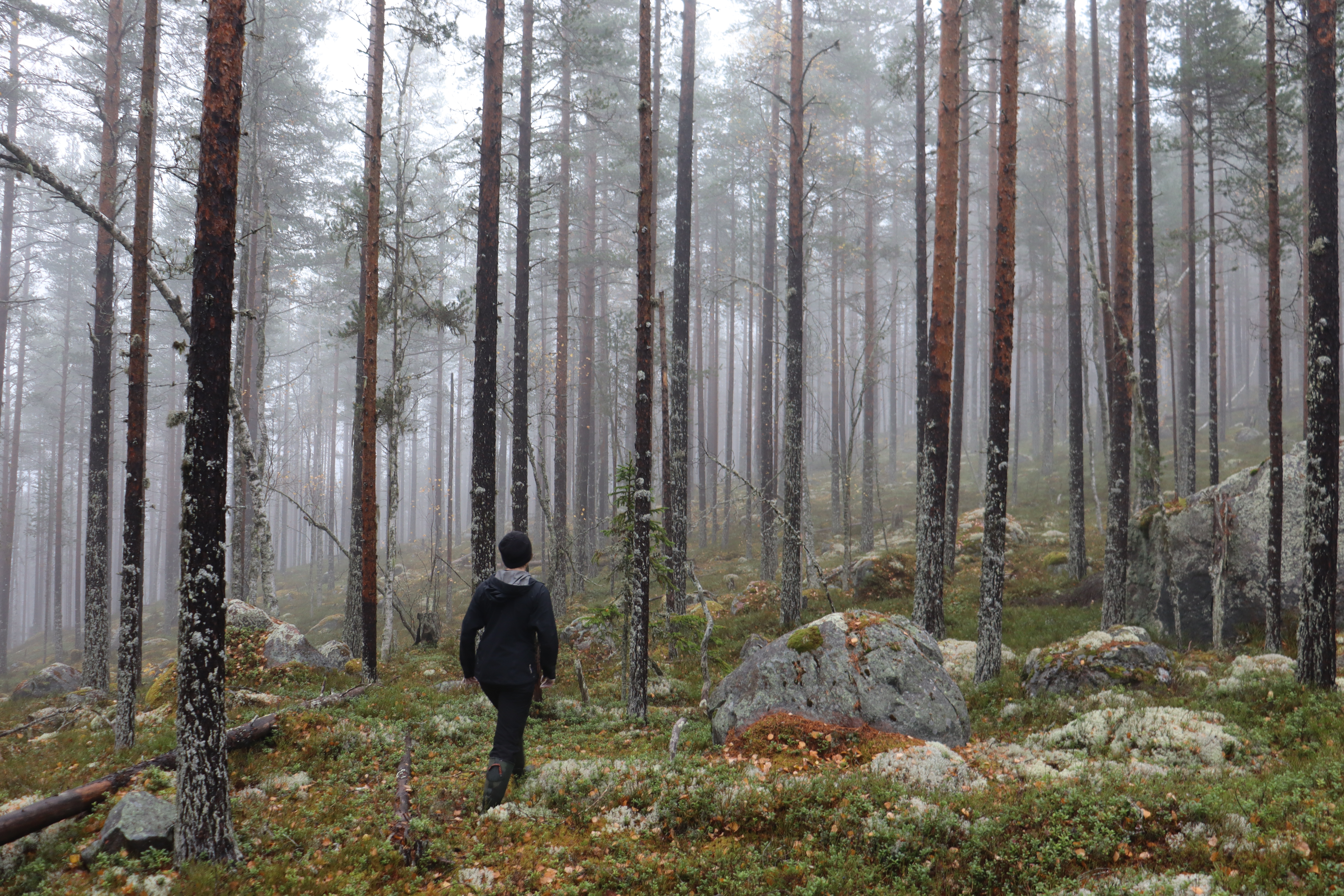
With forests covering more than two-thirds of the country, Sweden is among the most forested countries in the world. Forests are integral to Swedish identity and culture, as exemplified by Allemansrätten (the right to public access), which allows anyone to explore, wander, and forage in forests, while emphasising a shared responsibility for their care. At the same time, forestry is a key part of the Swedish economy. Sweden is a world-leading exporter of pulp, paper, and timber. As a result, very few forests remain unmanaged today. If you look at Sweden from above, the near-continuous forest cover that once existed now looks more like a patchwork of even-aged forest stands, often dominated by one or two tree species.
Research has shown that this type of land-use change – where landscapes become less complex and more fragmented – can reduce biodiversity and weaken many of the ecosystem services forests provide and on which we rely as humans, such as flood control, soil formation, and disease regulation. To counteract these negative effects, Swedish forestry guidelines attempt to balance production with environmental conservation by promoting measures such as mandatory replanting after harvest, leaving so-called retention patches of standing trees during clear-felling, and prescribed burning to reintroduce the natural disturbance of fire. Yet, as these interventions have been designed primarily to promote biodiversity, we still know little about how they affect pathogen dynamics in forests.
In Sweden, small rodents and shrews (which, contrary to common belief, are not rodents but more closely related to moles and hedgehogs!) are key sources of animal-borne disease in humans. Many of these host species are forest-dwellers rely on specific forest features for essential services such as shelter, foraging, and breeding. We therefore have good reason to suspect that small-mammal host communities and the pathogens they carry are affected by forest restoration, with potentially far-reaching consequences for human health. In the context of RESTOREID, which brings together partners from across Europe and Africa, the Swedish forests provide an important perspective, representing intensively managed northern systems where many restoration practices are already widely implemented.
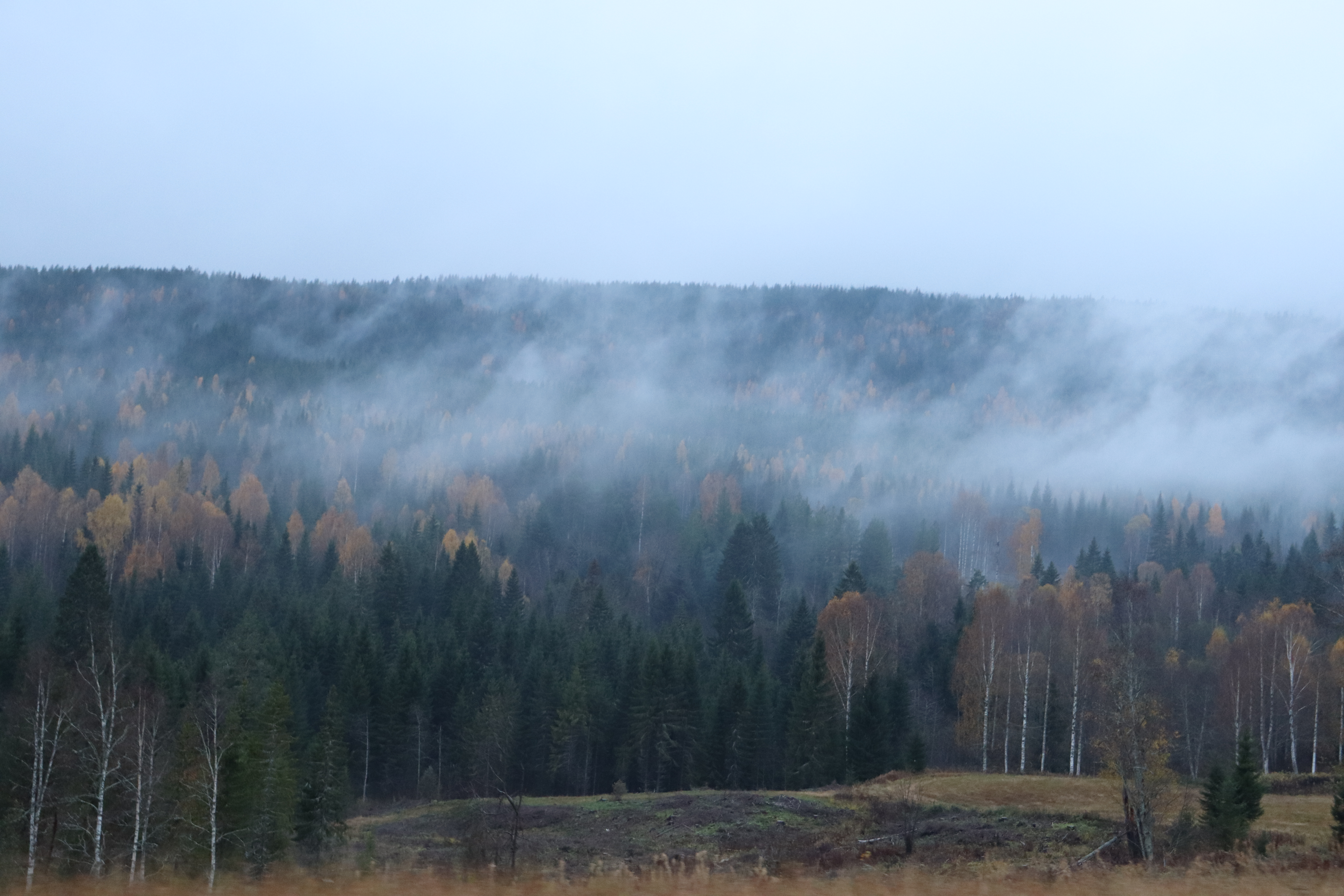
To fill this knowledge gap, we are taking advantage of two existing long-term forest plot networks established by the KPI project, which tracks biodiversity responses to clear-felling and retention forestry, and the WILDFIRE project, which investigates how fire influences the dynamics of small mammal populations and the pathogens they host. Combined, they provide access to 20 forest plots located in the Hälsingland region of Sweden. Forests in Hälsingland are, much like the rest of Sweden, dominated by spruce and pine, and the landscapes are rich in lakes, rolling hills, and wildlife ranging from moose to forest grouse to golden eagles to the occasional brown bear (all species which we have seen during our fieldwork this year!).
Across these forest plots, we follow similar protocols to those described in previous blog posts by our RESTOREID colleagues abroad. We conduct detailed environmental habitat surveys across all plots, describing features such as vegetation structure and deadwood presence; these factors are known to affect biodiversity and pathogen prevalence. We also assess biodiversity using camera traps, sound recorders, and eDNA analyses. The former two techniques are popular among ecologists because they are completely non-invasive, allowing us to identify animal species present in a study area solely on photographs and recordings of their calls.
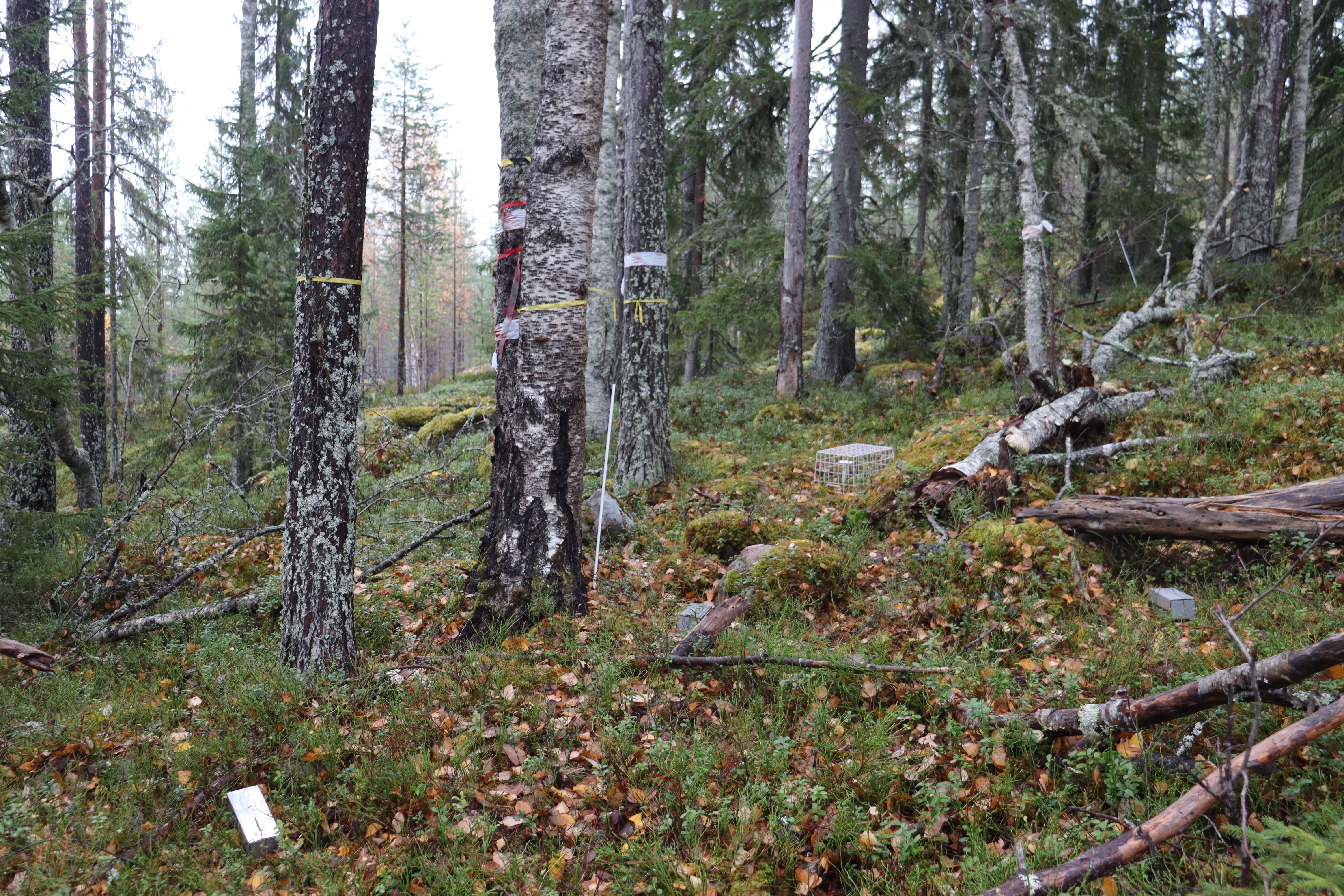
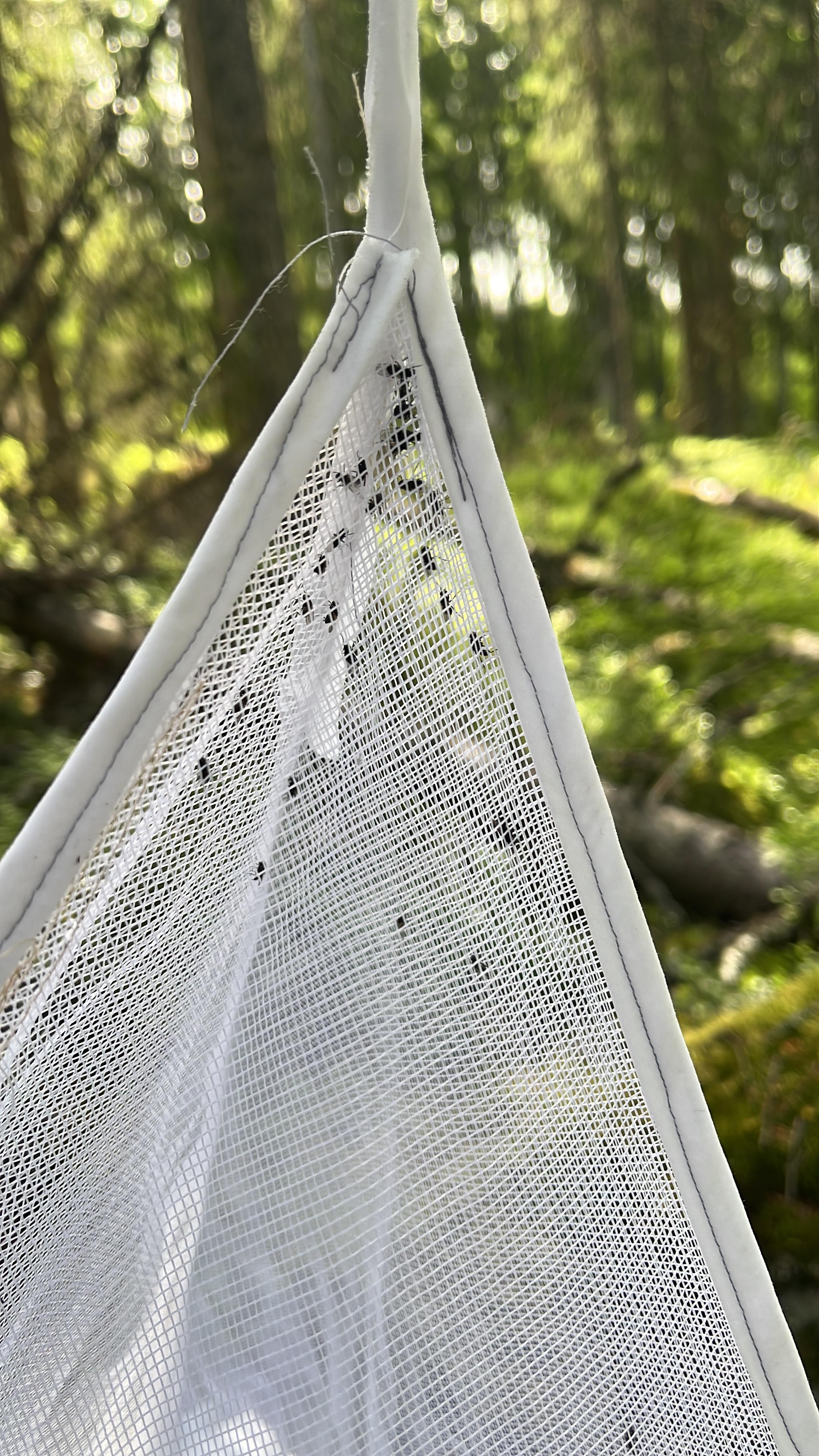
Environmental DNA, or eDNA, typically refers to the screening of non-animal components of the environment for animal DNA to assess local animal diversity. In RESTOREID, we also perform similar analyses on fly tissues. This approach relies on the principle that animals leave DNA traces wherever they go – in the form of skin fragments, hair, blood or saliva, for example – and that flies may carry some prey DNA from their blood meals. By analysing such samples, we can therefore determine that a species has been present in an area, even if we never directly observe it.
Finally, to track animal-borne disease, we trap small mammals and screen them for a variety of zoonotic (animal-to-human transmitted) viral and bacterial pathogens. We bait the traps with apple and sunflower seeds (rare treats for many wild animals in Northern Swedish forests!) and catch almost exclusively voles and shrews, bar the odd frog and weasel, which we always promptly release without collecting any samples. Depending on the site, we either collect only non-invasive samples, such as tiny ear clips, or obtain more comprehensive samples by carefully euthanising the animals.

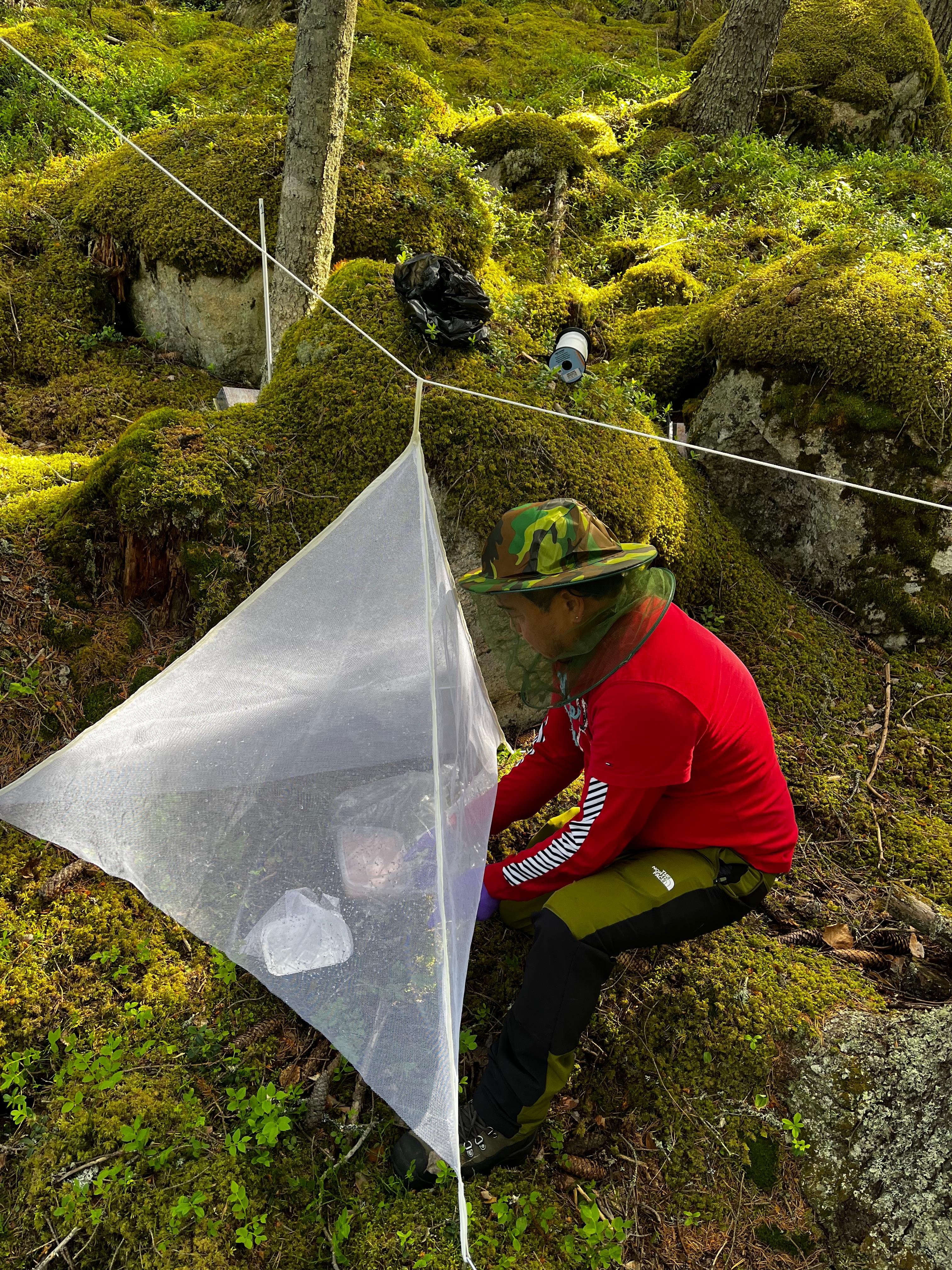
Having just completed our second season of small mammals trapping in October – a very foggy, frosty affair – we can now conclude our first year of RESTOREID fieldwork. And while it is too early for formal results, several analyses are underway:
- Zoonotic pathogen screenings of small mammal samples collected this spring and autumn, covering diverse viral and bacterial infections.
- Environmental survey outcomes, which will help us understand how environmental features differ across forest types, from about half of our study areas.
- eDNA analyses of flies caught and of cotton swabs rubbed on plant surfaces within the plots, contributing to our mapping of local wildlife beyond the animals we catch in our small mammal traps.
Over the next year, we will continue our fieldwork (with the addition of camera traps and sound recorders) and begin to integrate ecological and pathogen data, comparing our findings with those of our RESTOREID colleagues. Together, these efforts will help us understand how restoration practices influence disease risks and how we can design healthier, more resilient forest ecosystems.