
Field to Laboratory: Investigating Small Mammal Diversity and Zoonotic Pathogens in Bunduki, Tanzania
By Baraka Edson Mwamundela, PhD candidate
For the past year, I have been working with a team of researchers in a strip of restored forest running through the Bunduki Gap, the saddle separating the northern and southern sections of Tanzania’s Uluguru Mountains. Our aim is to understand how small mammals and the pathogens they carry are shaped by the land-use choices we make.
The Bunduki Gap is easy to miss on a map: a narrow, recovering corridor connecting two sections of much older forest. Yet it forms part of the Eastern Arc Mountains, a chain of ancient, isolated ranges extending from Kenya’s Taita Hills through Tanzania. Each range is like an island of forest, supporting distinctive communities of plants and animals, including species found nowhere else on Earth.
Our restored corridor is one stepping stone within this much larger system. What moves through it, whether animal or pathogen, may have implications that extend beyond the immediate landscape.
My research is part of RESTOREID, a Horizon Europe-funded project working across several countries to understand how ecosystem restoration affects the animals living in recovering landscapes and the pathogens they carry.
The central question is simple to state but difficult to answer: does restoring a degraded landscape also restore the disease dynamics of a relatively undisturbed ecosystem, or can restoration create different risks of its own?
To investigate this, I needed a case study that would allow us to compare habitats at different stages of recovery. Mine is based in Bunduki, at the heart of the Uluguru range.
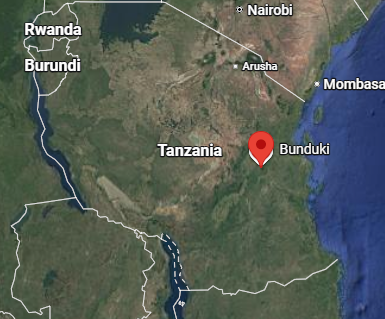
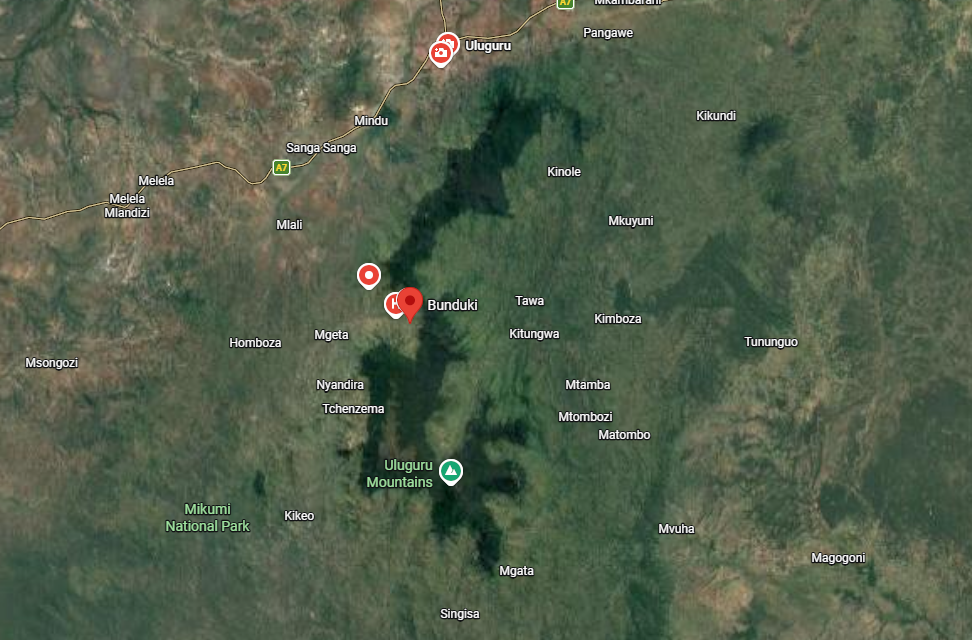
Image 1 (left): Location of Bunduki within Tanzania; Image 2 (right): Close up to Bunduki
Three landscapes, one question
To examine how landscape condition affects small-mammal communities and the pathogens they carry, we established three trapping grids in Bunduki and monitored them from February 2025 to February 2026:
- RES1: a restored wildlife corridor
- RES2: degraded fallow land
- RES3: natural forest with minimal human disturbance
Each grid covers 100 × 100 metres, and the sites are separated by at least 1.5 kilometres. This distance helps reduce the likelihood that we are repeatedly observing animals moving between grids, allowing us to investigate how small mammals respond to the conditions within each habitat.
Together, the three sites allow us to ask a genuinely comparative question: does habitat recovery bring small-mammal communities and pathogen dynamics closer to a natural-forest baseline, or does it lead them somewhere else entirely?
To build this comparison, we used a method known as capture-mark-recapture (CMR). An animal is captured, individually marked, released and potentially recaptured during later sampling sessions.
It is a slow and deliberate way to build a picture of a population over time. CMR can tell us which species are present, how abundant they are, how long individuals remain in the study area, and how they move through the landscape, while minimising lasting disturbance.
Monitoring the sites for a full year also allowed us to account for seasonal changes that may influence animal abundance, behaviour and pathogen detection.
Life in the field
Every month, our team checked live Sherman traps for rodents and shrews. Each capture followed a consistent procedure: we identified which traps contained animals, recorded information about each individual, collected faecal samples and ectoparasites such as fleas, mites and ticks, and obtained a small blood sample that was dried and stored on filter paper.
The animal was then marked and released at the exact location where it had been captured, helping it return to its usual territory and behaviour.
Over the year, we captured and processed 290 individual rodents and shrews. During the final month of the study, we also collected organs from a subset of animals for tissue-based pathogen screening.
The dried blood spots were later screened for two bacterial groups, Bartonella and Anaplasma. Liver and kidney tissues were screened for arenaviruses and paramyxoviruses.
Every capture, sample and release was recorded in a database, linking each animal to its trapping grid, physical condition and, ultimately, pathogen-screening results. These records will eventually be analysed alongside comparable datasets collected at RESTOREID sites in Scotland, Sweden, the Democratic Republic of the Congo and Belgium.
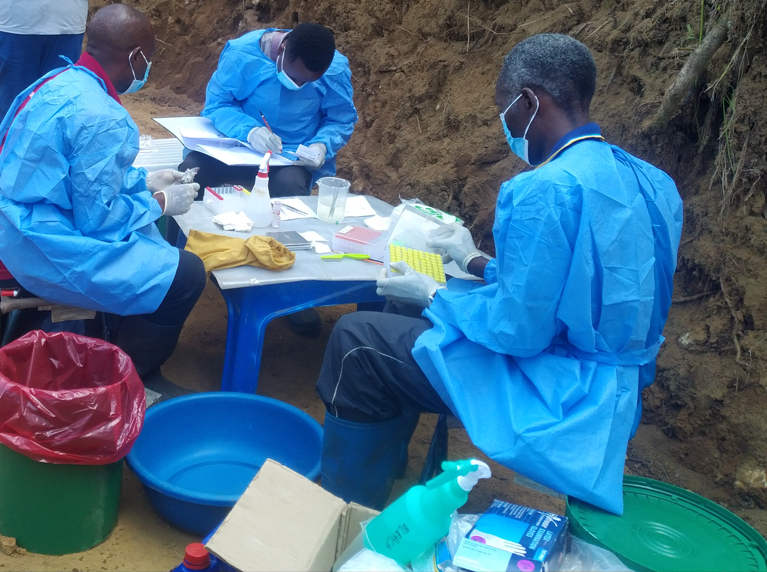
Image 3: The research team during the sampling process
Beyond the trap
Rodents and shrews are only one part of the story. The biodiversity of an ecosystem extends far beyond the animals that can be captured in a Sherman trap.
Alongside the capture-mark-recapture study, we deployed AudioMoth acoustic recorders to detect calls from bats, birds and other wildlife. We also trapped carrion flies and swabbed vegetation at all three sites to collect environmental DNA, or eDNA.
Animals leave genetic traces behind as they move through an area. These traces may remain on vegetation or be carried by insects that have interacted with animals or biological material. By analysing this DNA, researchers can detect species that may never have been directly seen or heard during fieldwork.
Combining these methods allows us to build a more complete picture of biodiversity across the study sites and their surrounding landscapes. It also helps us investigate trophic recovery, the rebuilding of ecological relationships among species at different levels of the food web, from small mammals to predators.
This may be relevant to the dilution effect hypothesis, which proposes that, under certain ecological conditions, more diverse and balanced communities can reduce the relative abundance or influence of highly competent pathogen hosts. However, this relationship is context-dependent and cannot be assumed to occur in every restored ecosystem.
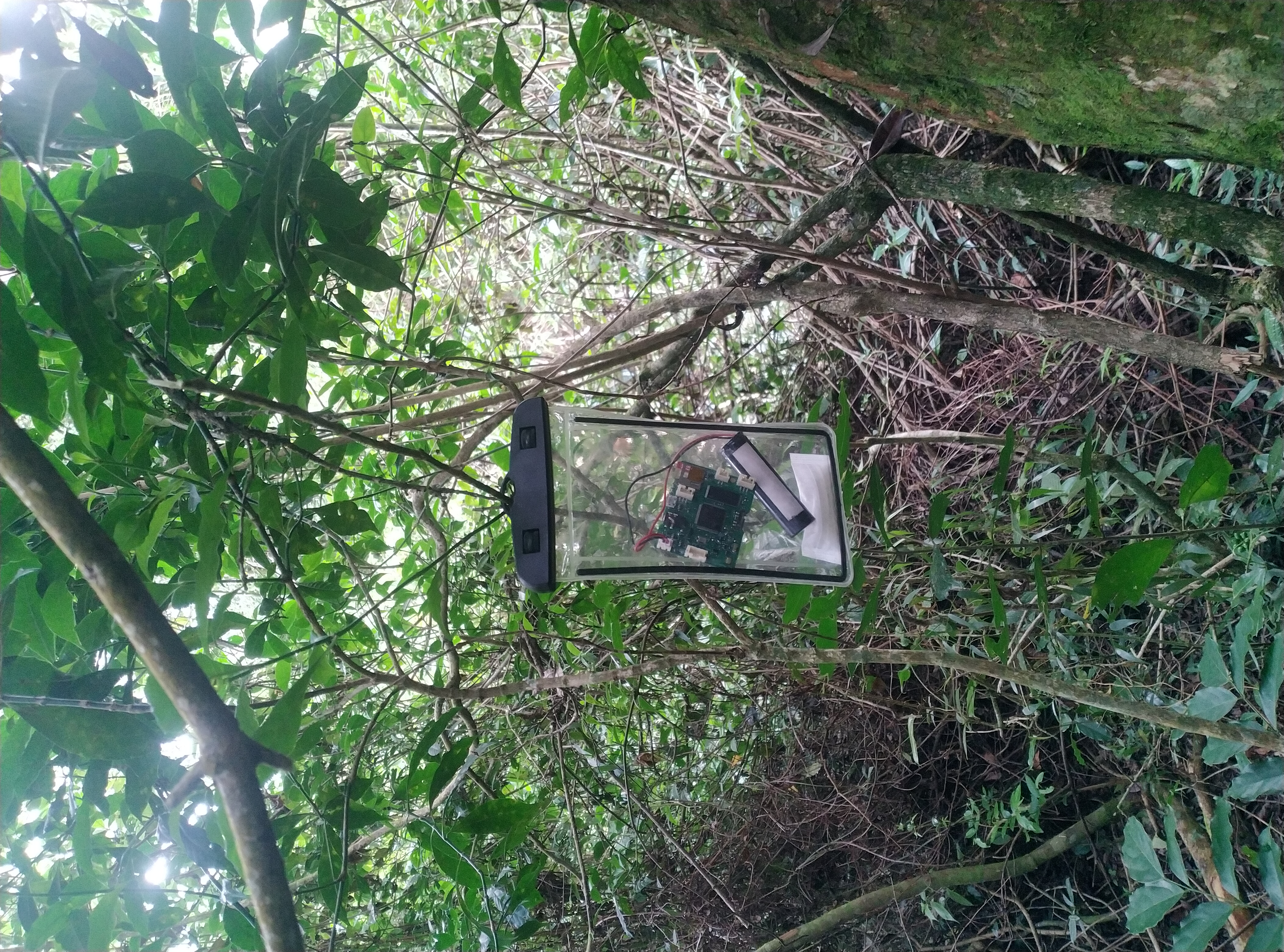
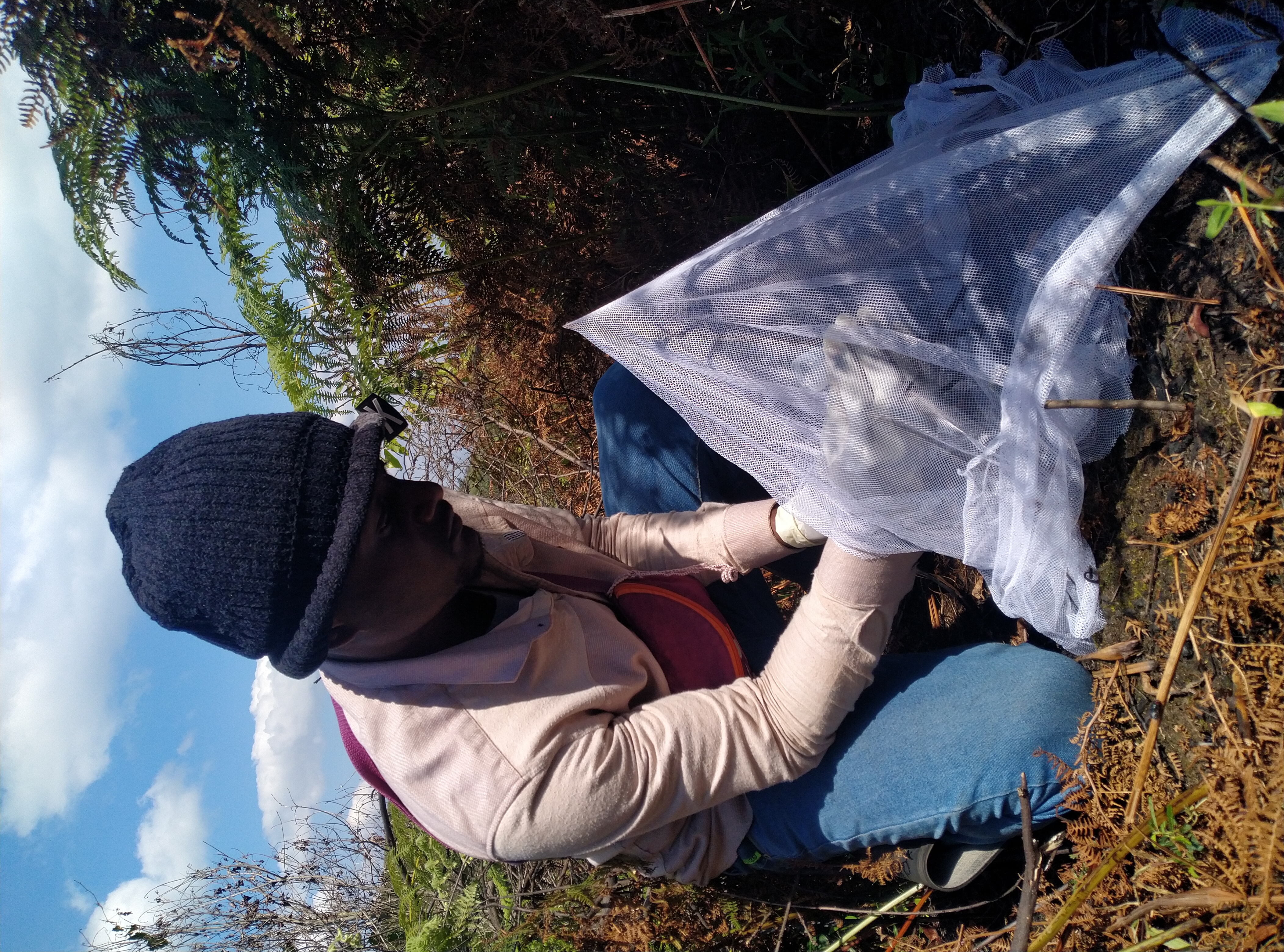
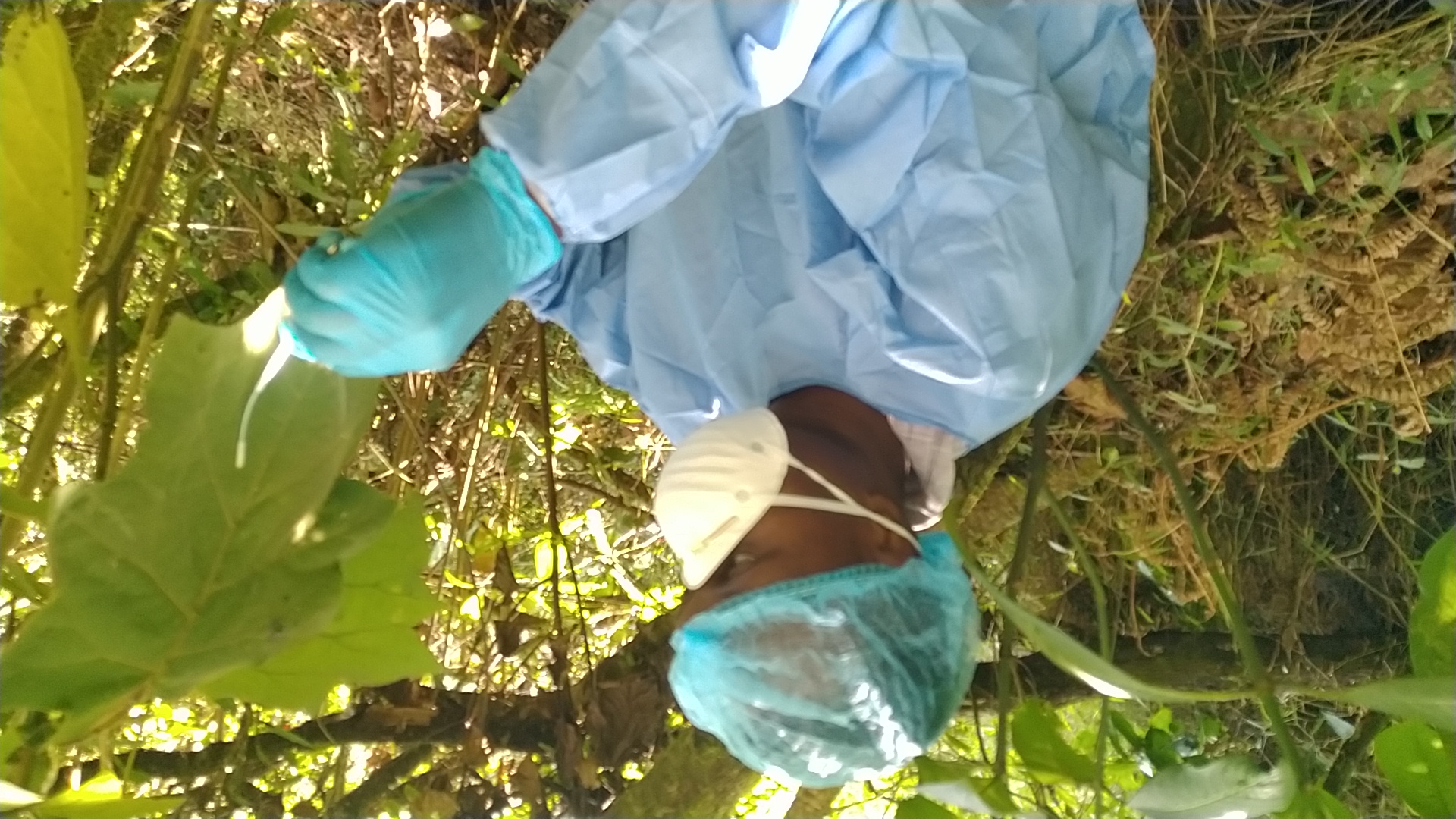
Images 4a–c: An acoustic monitoring device (a - top left); carrion-fly trapping (b - top right); and vegetation swabbing (c - bottom)
From field to laboratory
Once the dried blood spots and tissue samples had been collected, the work moved from Bunduki to the laboratory at the University of Antwerp’s Department of Biology.
There, I screened the samples for a targeted panel of pathogens with known or potential public-health relevance. The laboratory visit was supported by the International Science Partnerships Fund and allowed me to learn new laboratory techniques and process the samples during an intensive month of work.
Bacterial screening
We tested the samples for Bartonella and Anaplasma. Both groups include bacteria that can be transmitted by ectoparasites such as fleas, ticks and mites associated with small mammals.
Using quantitative polymerase chain reaction, or qPCR, we looked for small quantities of pathogen genetic material in the samples.
Preliminary screening detected Bartonella DNA in a notable proportion of the tested samples, suggesting that small mammals in Bunduki may contribute to its local circulation. No Anaplasma DNA was detected during this initial screening.
These results remain subject to further validation, identification and analysis before firm conclusions can be drawn.
Viral screening
We also screened tissue samples for arenaviruses and paramyxoviruses.
Some members of the arenavirus family can cause disease in humans. However, detecting arenaviral genetic material does not identify the specific virus present or demonstrate a risk to people.
Preliminary screening produced arenavirus-positive signals in some tissue samples. Further sequencing and analysis will be required to determine exactly which viruses are present, how they are distributed among small-mammal species and habitats, and whether they have any relevance for animal or human health.
Very few paramyxovirus-positive signals were detected during this initial round of screening. These findings also require confirmation and further characterisation.
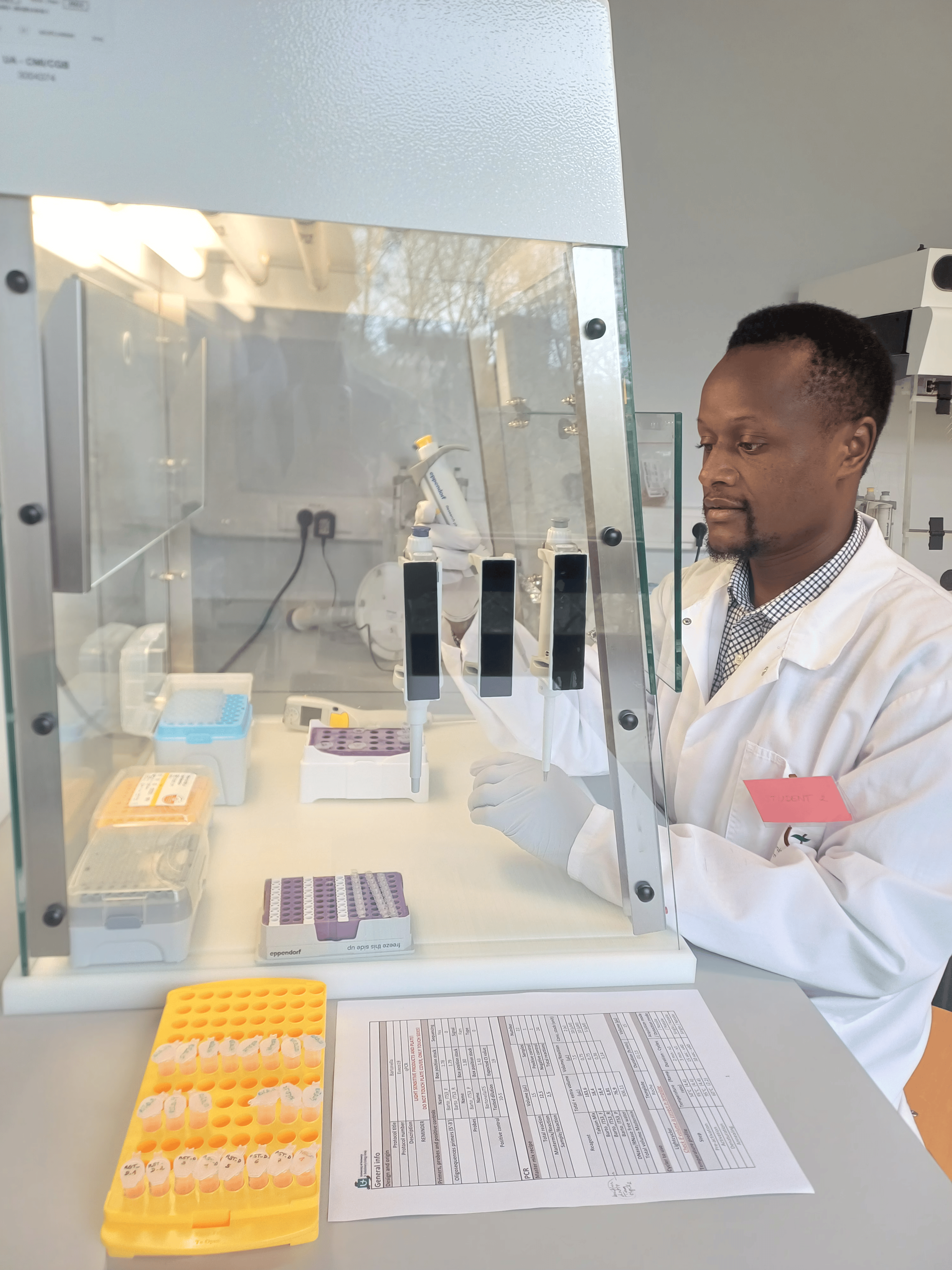
Image 5: Sample handling and preparation, followed by qPCR screening
Where this leaves us
A year of walking the same three grids at the foot of the Uluguru Mountains has given us a valuable early picture of the small-mammal communities living in Bunduki and the microorganisms circulating within them.
The initial laboratory work indicates the presence of Bartonella and arenaviral genetic material in some small-mammal samples. However, detecting a pathogen or related genetic sequence is only the beginning. The next task is to identify what is present and understand how its occurrence relates to host species, season, habitat condition and restoration history.
We can now begin investigating how small-mammal community dynamics differ among Bunduki’s restored corridor, degraded fallow land and comparatively undisturbed forest. We will also compare these patterns with evidence from other RESTOREID study sites.
For me, that is the real value of a project like RESTOREID. The goal is not simply to document that pathogens are present. It is to understand how the condition of a landscape, and the choices we make about that landscape, may shape biodiversity, wildlife health and pathogen dynamics.
As the analysis develops over the coming months, I look forward to sharing what we learn and what it may mean for zoonotic-disease surveillance, ecosystem restoration and conservation planning in Tanzania and beyond.