Healthier
landscapes
for a
stronger better safer
future
Understanding restoration to prevent disease outbreaks.


Healthier
landscapes
for a
stronger better safer
future
Understanding restoration to prevent disease outbreaks.


The project centers on restoring and maintaining healthy ecosystems crucial for biodiversity and key ecosystem services such as clean air, water, and climate regulation. RESTOREID helps prevent disease spreading, especially those transmissible between animals and humans.
As a collaborative initiative involving multiple partners and utilising advanced research methods, RESTOREID has the potential to generate insights and global solutions that can be applied locally.
RESTOREID uses innovative approaches, such as rapid biodiversity assessments or advances computing to ensure that the project stays at the forefront of scientific research and contributes to advancements in the field.
The project's engagement with policy frameworks, helps bridge the gap between scientific knowledge and practical, policy-driven solutions.
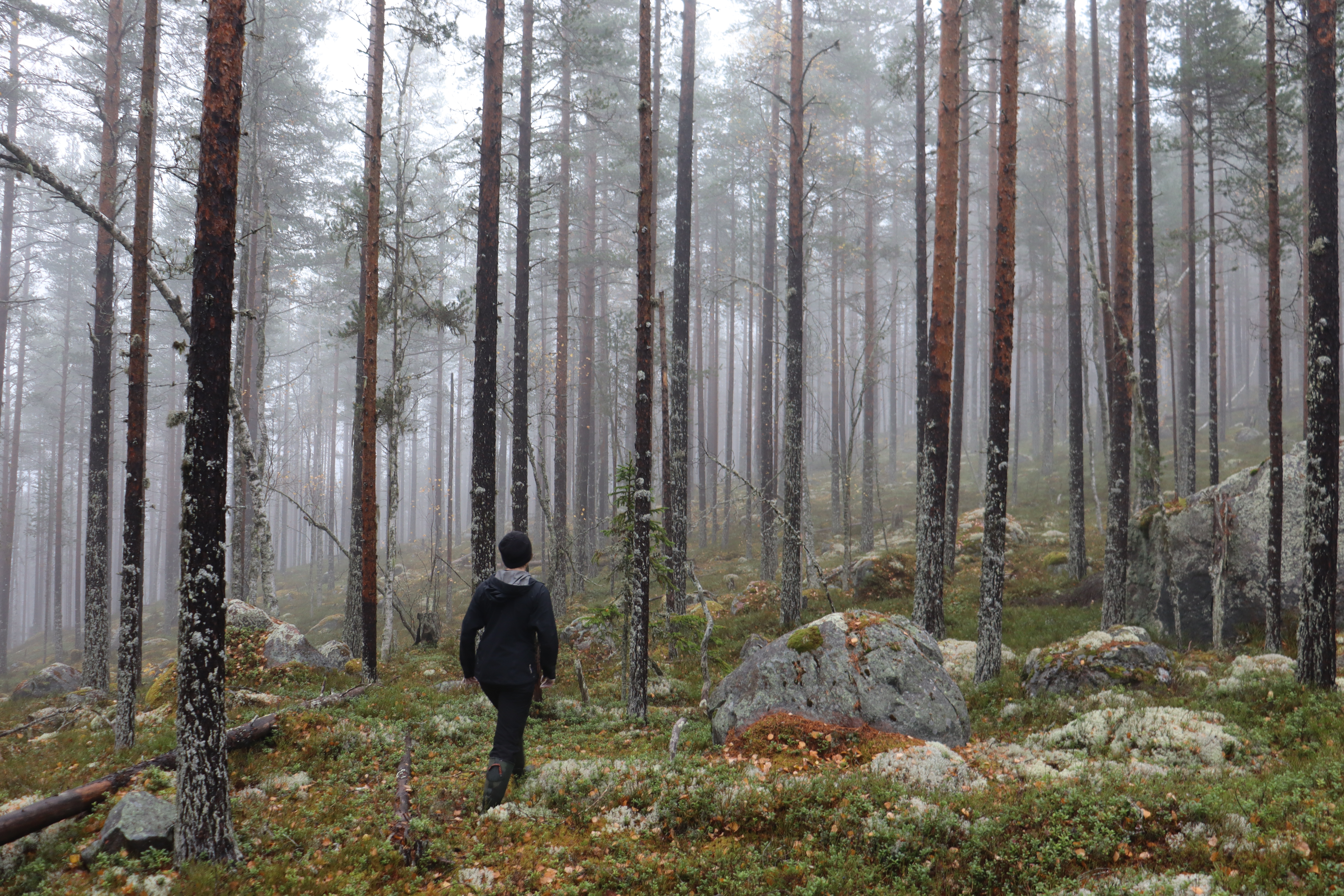
With forests covering more than two-thirds of the country, Sweden is among the most forested countries in the world. Forests are integral to Swedish identity and culture, as exemplified by Allemansrätten (the right to public access), which allows anyone to explore, wander, and forage in forests, while emphasising a shared responsibility for their care. At the same time, forestry is a key part of the Swedish economy. Sweden is a world-leading exporter of pulp, paper, and timber. As a result, very few forests remain unmanaged today. If you look at Sweden from above, the near-continuous forest cover that once existed now looks more like a patchwork of even-aged forest stands, often dominated by one or two tree species.
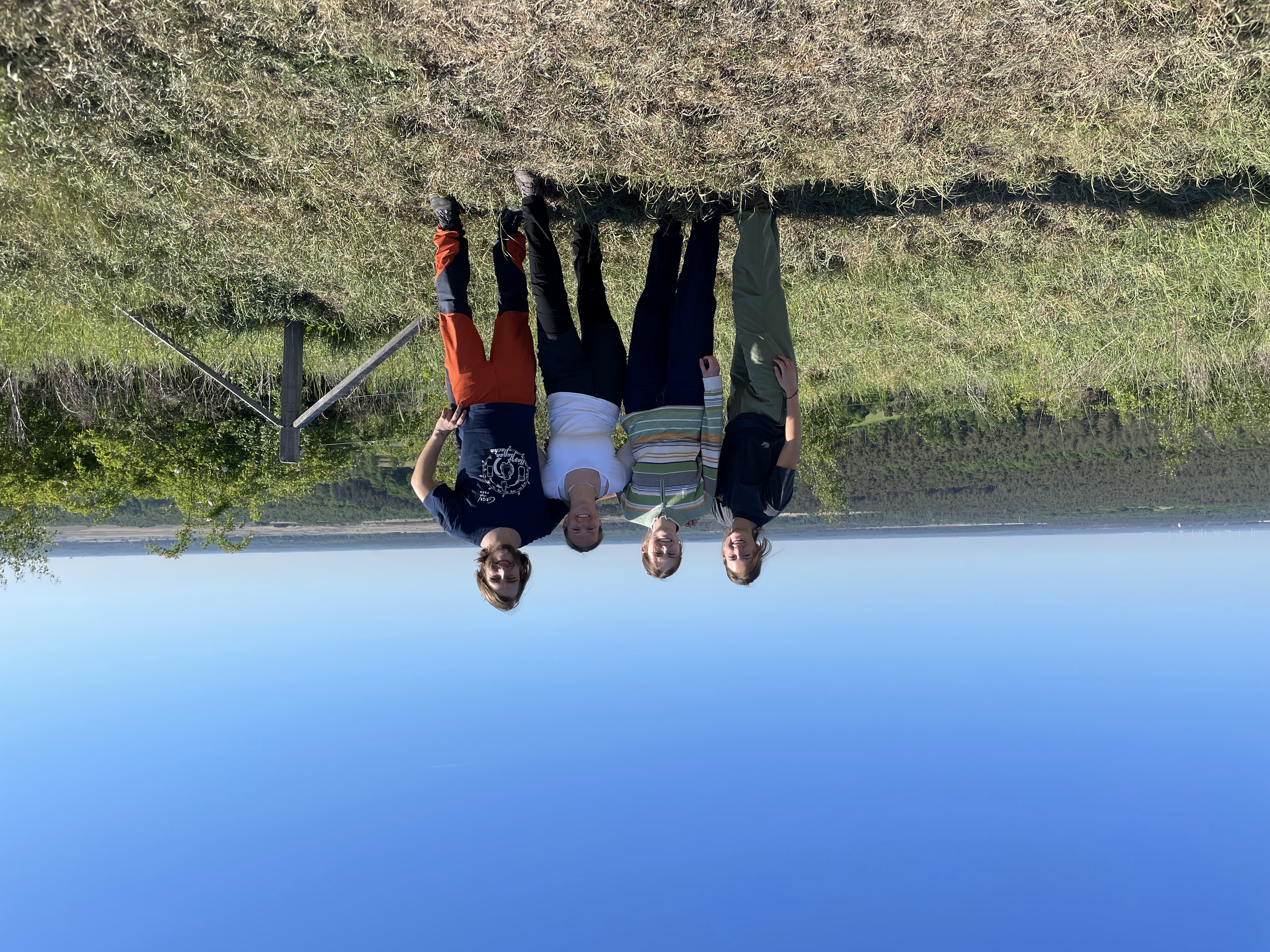
Across Flanders, former industrial landscapes are being transformed into thriving ecosystems. Terrils like Beringen (image above) and Heusden-Zolder, once steep black slag heaps from the coal-mining era, are now undergoing large-scale ecological restoration. Similarly, wetland complexes such as Kleiputten Terhagen and Walenhoek are recovering from decades of clay extraction and are slowly rewilding into species-rich habitats. Alongside these emerging ecosystems, old-growth refuges like Rielenbroek and Winkelsbroek provide a critical ecological contrast: places where forest continuity has persisted long enough for complex ecological networks to stabilise.
As 2025 draws to a close, RESTOREID reaches an exciting milestone: the halfway point of our journey! It’s the perfect moment to look back at what we’ve achieved and how we’re shaping new approaches to understanding the link between ecosystem restoration, biodiversity, and disease prevention.
From cutting-edge science to creative engagement tools, here’s what we’ve been up to!
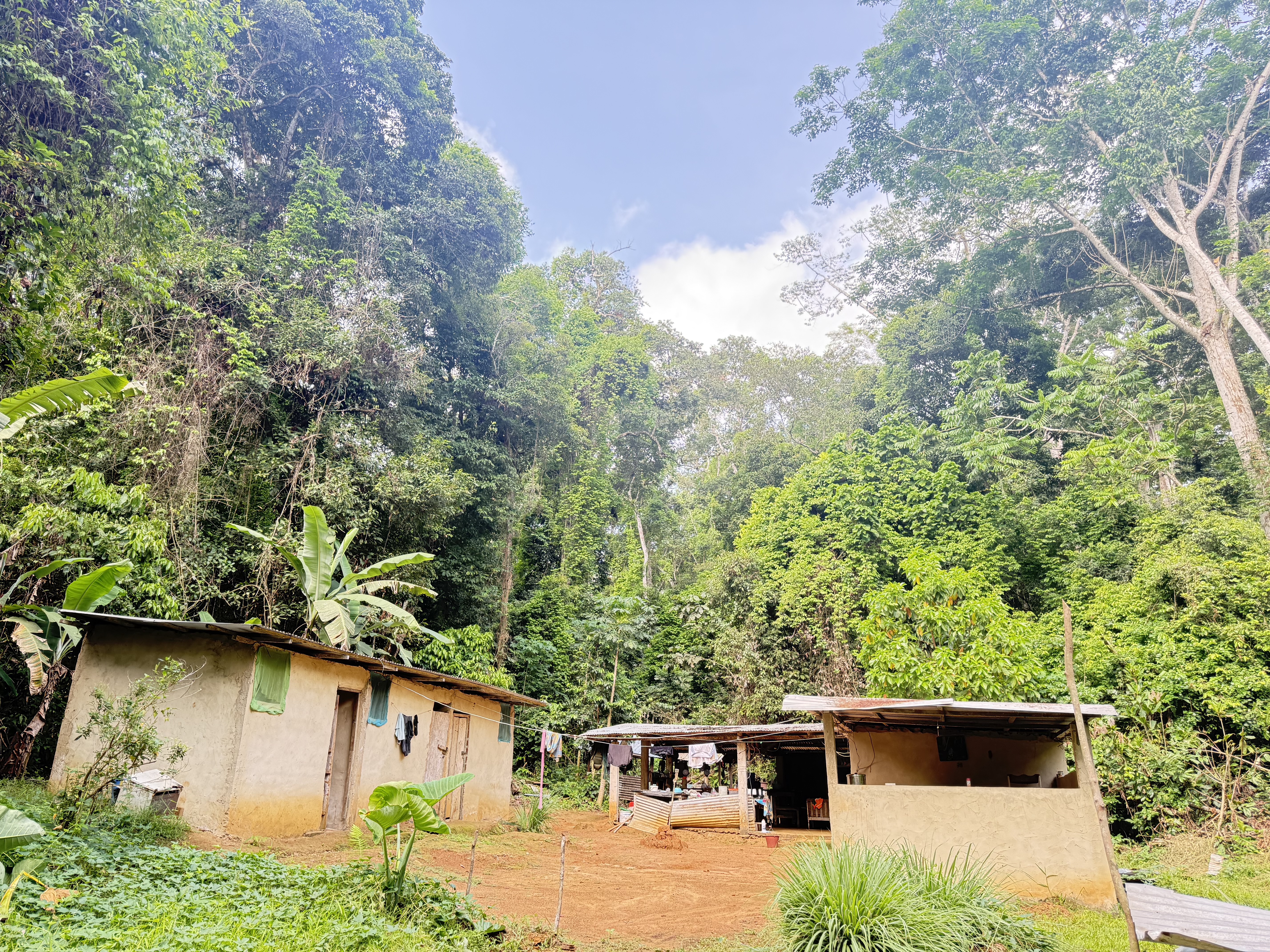
One of five different camps at the Taï National Park Fieldsite © Dimov/HIOH
In the lush Afrotropical rainforests of Côte d’Ivoire, a team from the Helmholtz Institute for One Health (HIOH) is investigating how restoring tropical forests can influence biodiversity—and, ultimately, reduce the risk of zoonotic diseases spreading from animals to humans.
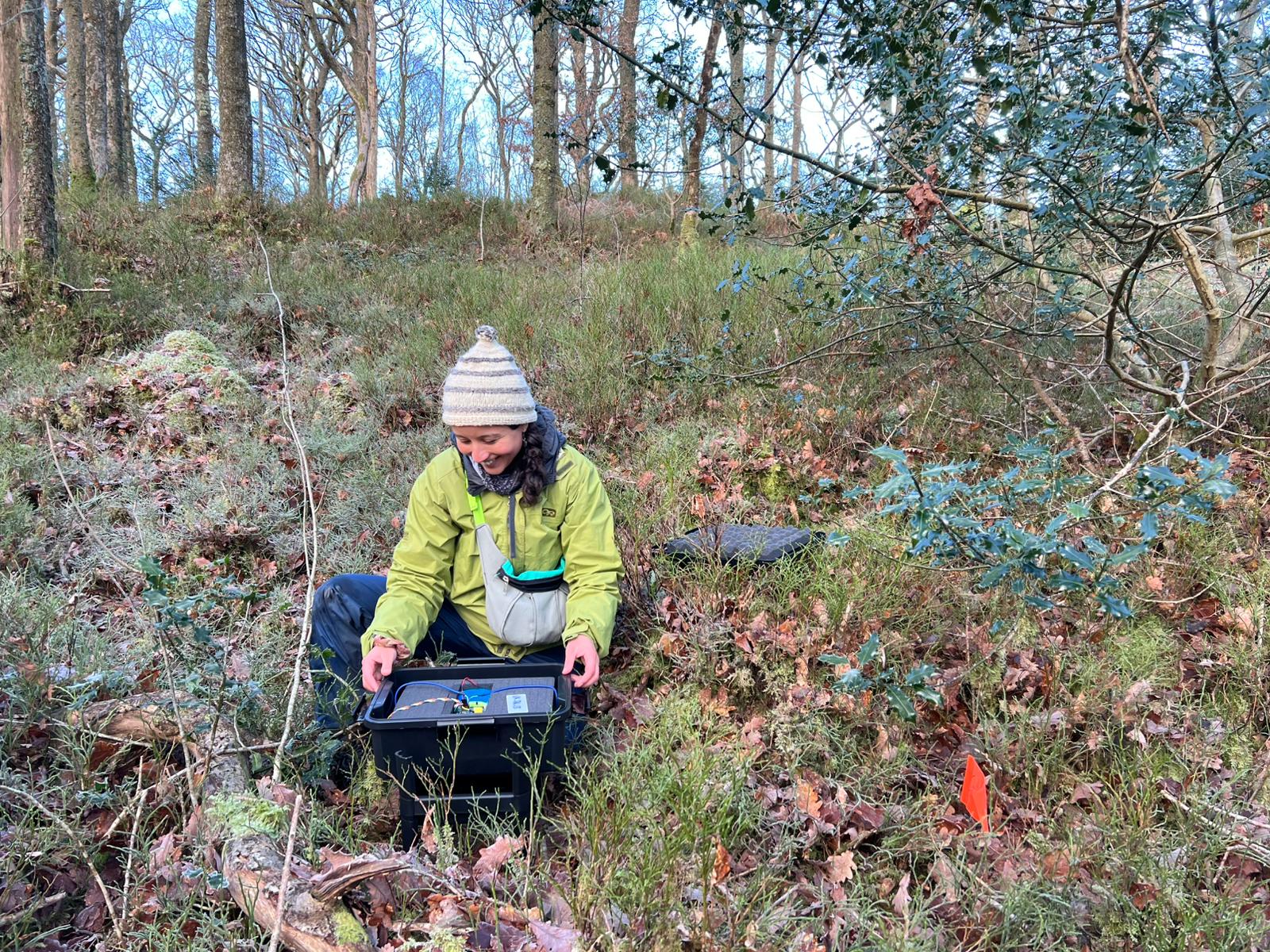
In this new field blog, RESTOREID researcher Maria José López Jara takes us into the Scottish woodlands, where the RESTOREID team is studying wild rodents and the viruses they carry. By combining restoration ecology with wildlife health research, their work explores how forest age and connectivity influence animal behaviour, disease dynamics, and ultimately the relationship between ecosystem restoration and human well-being.
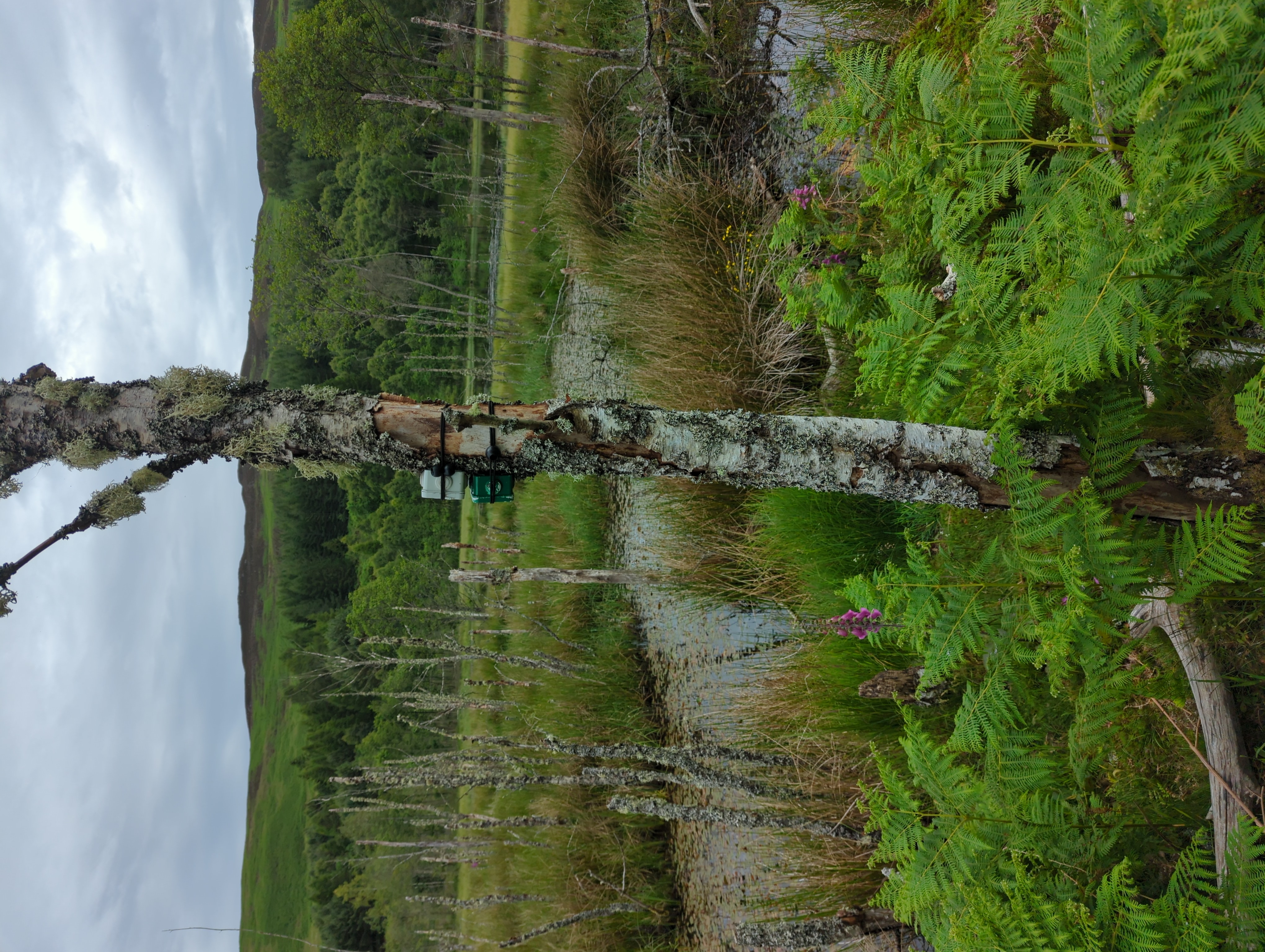
In spring 2024, the Scottish RESTOREID field team, with staff and students from the Universities of Stirling and Glasgow began fieldwork to deploy rapid biodiversity and pathogen assessments.
As part of the Horizon Europe HORIZON-CL6-2023-BIODIV-01-17 call, several EU-funded projects—including RESTOREID and ZOE Project Horizon Europe— as well as the Alternet Association, have joined forces to explore how a future Knowledge Exchange Network (KEN) can best serve stakeholders working at the interface of biodiversity, restoration, and zoonotic disease prevention.
The first step? Listening to you.
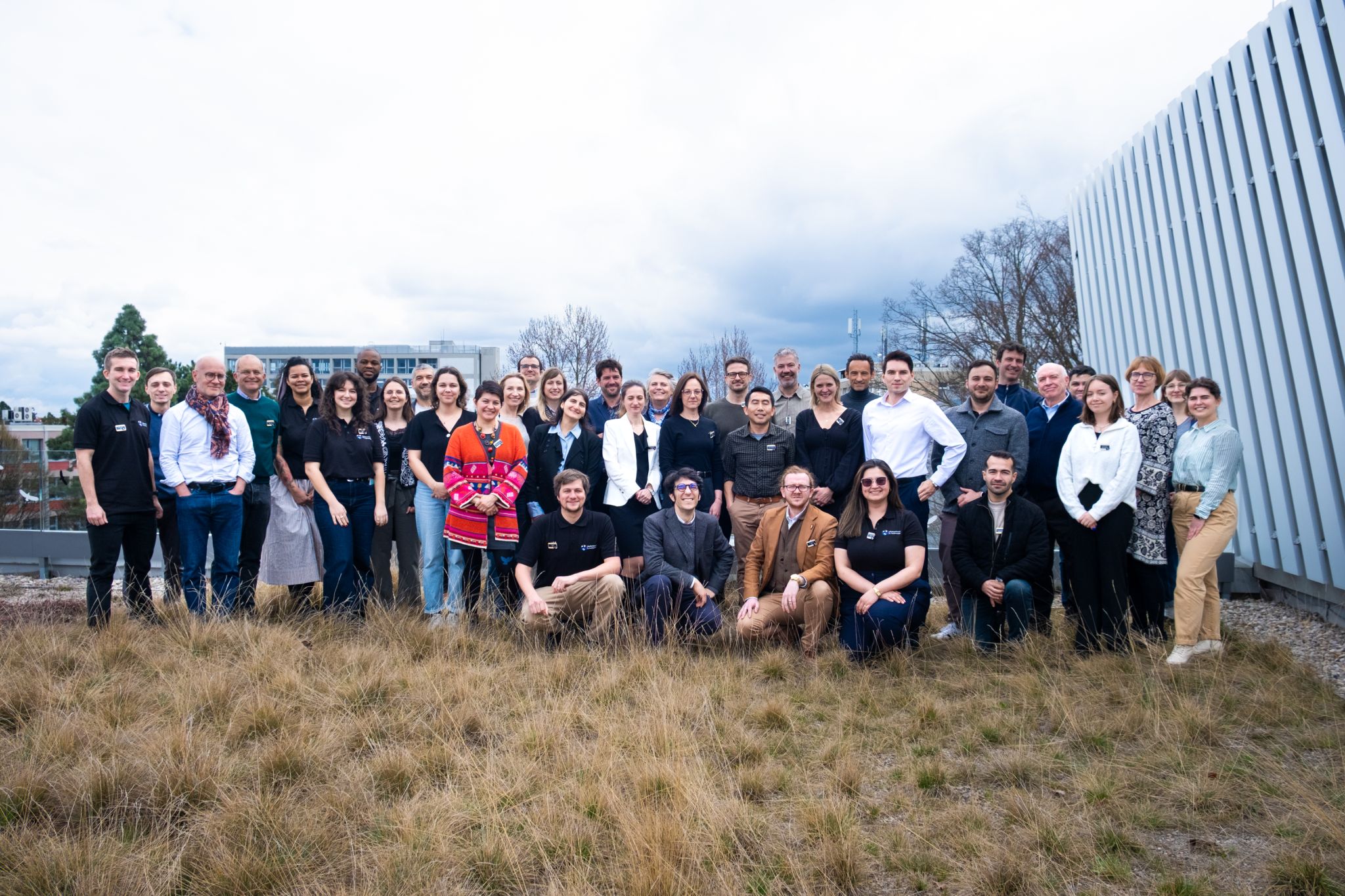
Interview conducted by Diego Ibánez (RESTOREID) and adapted for blog post by Thomas Stollenwerk (BIO-CAPITAL). Originally published on Bio-capital.eu
BIO-CAPITAL is not the only Horizon Europe project exploring the links between biodiversity and society. While BIO-CAPITAL develops innovative financing models for biodiversity conservation, RESTOREID focuses on the link between ecosystem restoration and disease prevention.
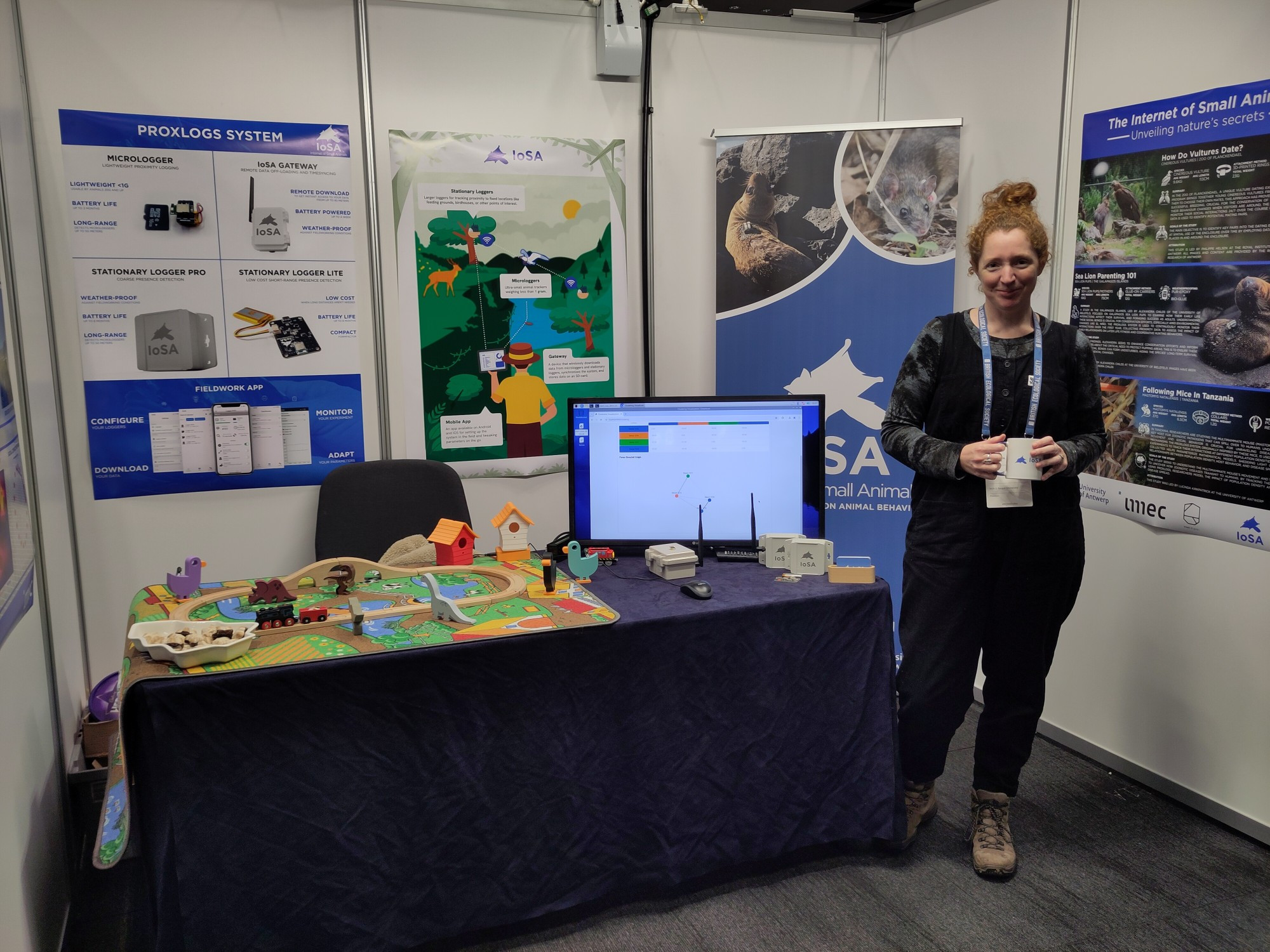
Interview and blog post adaptation by Thomas Stollenwerk (BIO-CAPITAL). Originally published on Bio-capital.eu
The RESTOREID project aims to understand the links between biodiversity, restoration, and disease spillover. Lucinda Kirkpatrick is the coordinator of the EU-funded initiative and a Lecturer at the University of Bangor. She met with Thomas Stollenwerk (Oikoplus) online and gave him a fascinating insight into the project work.
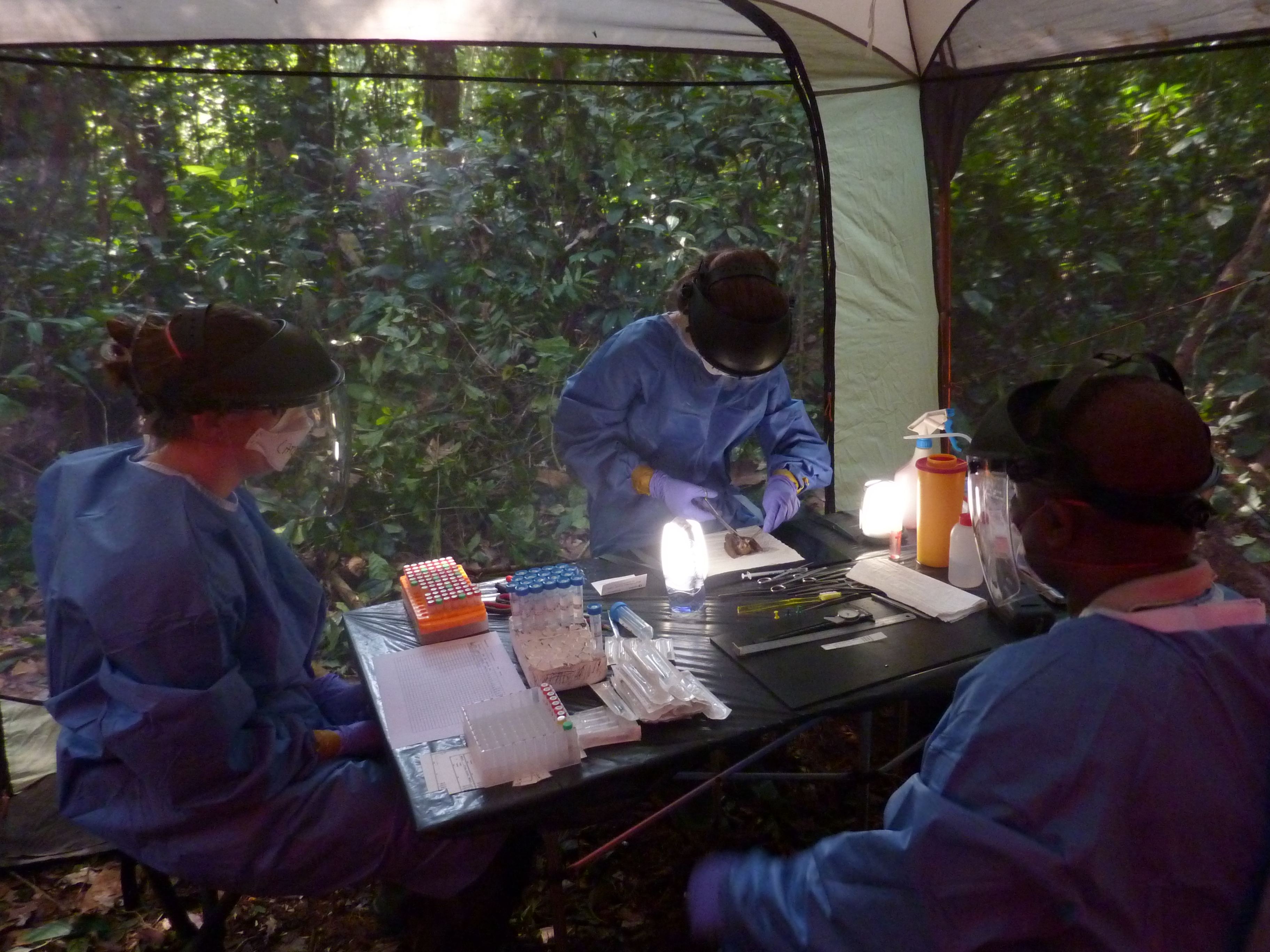
by Cato Vangenechten
In May and June 2024, a team from the University of Antwerp, together with local partners from the University of Kisangani and the Centre du Surveillance de la Biodiversité, embarked on a fieldwork mission to the Yangambi Biosphere Reserve as part of the RESTOREID project. Our goal? To investigate how healthier environments, shaped through landscape restoration, can help mitigate the risk of zoonotic diseases.

Discover how our partners at Médecins du Monde Belgique integrate the One Health approach through its innovative projects, including RESTOREID, to connect human, animal, and environmental health and contribute to a more sustainable future.
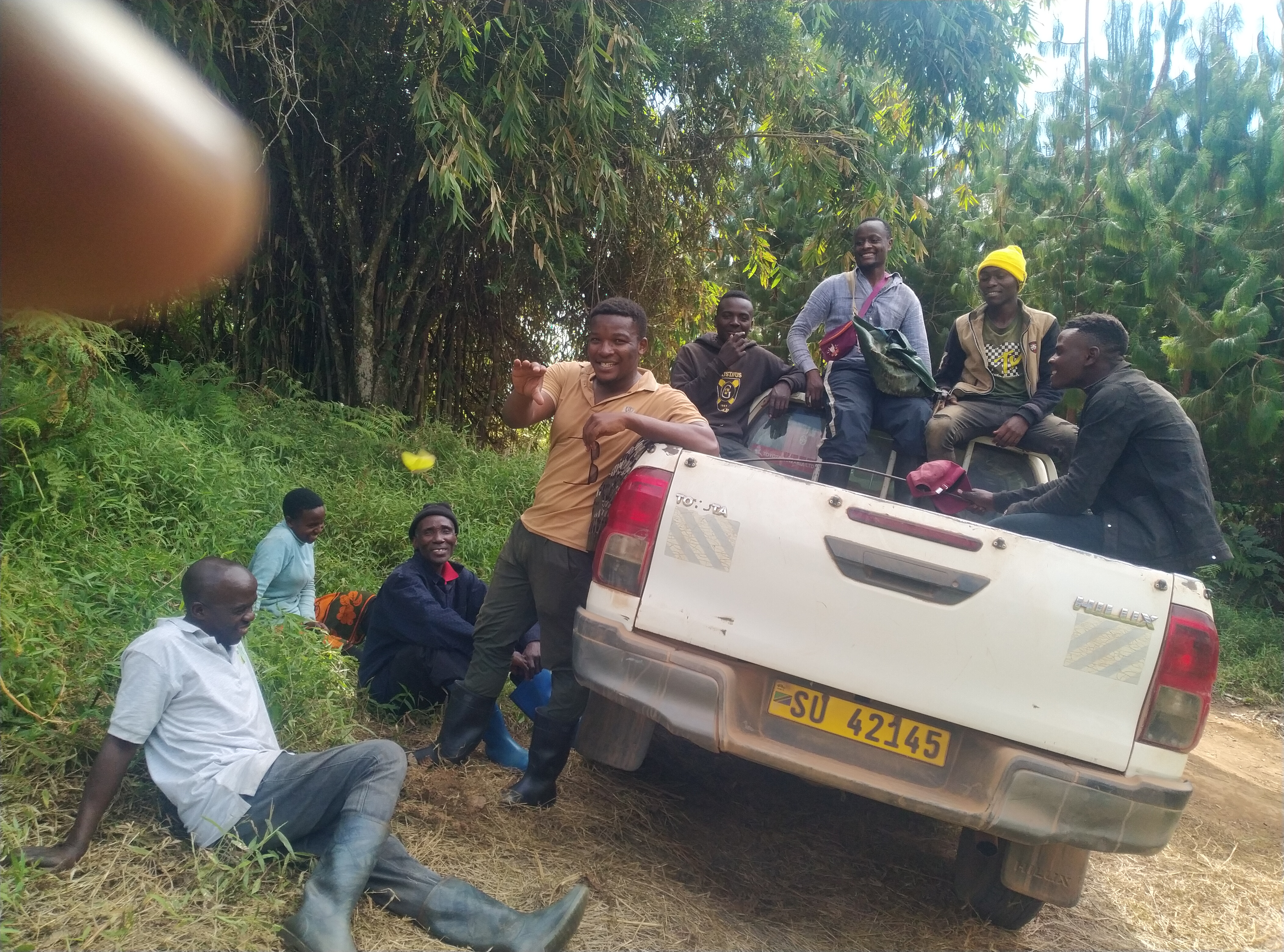
By Baraka Edson, PhD student.
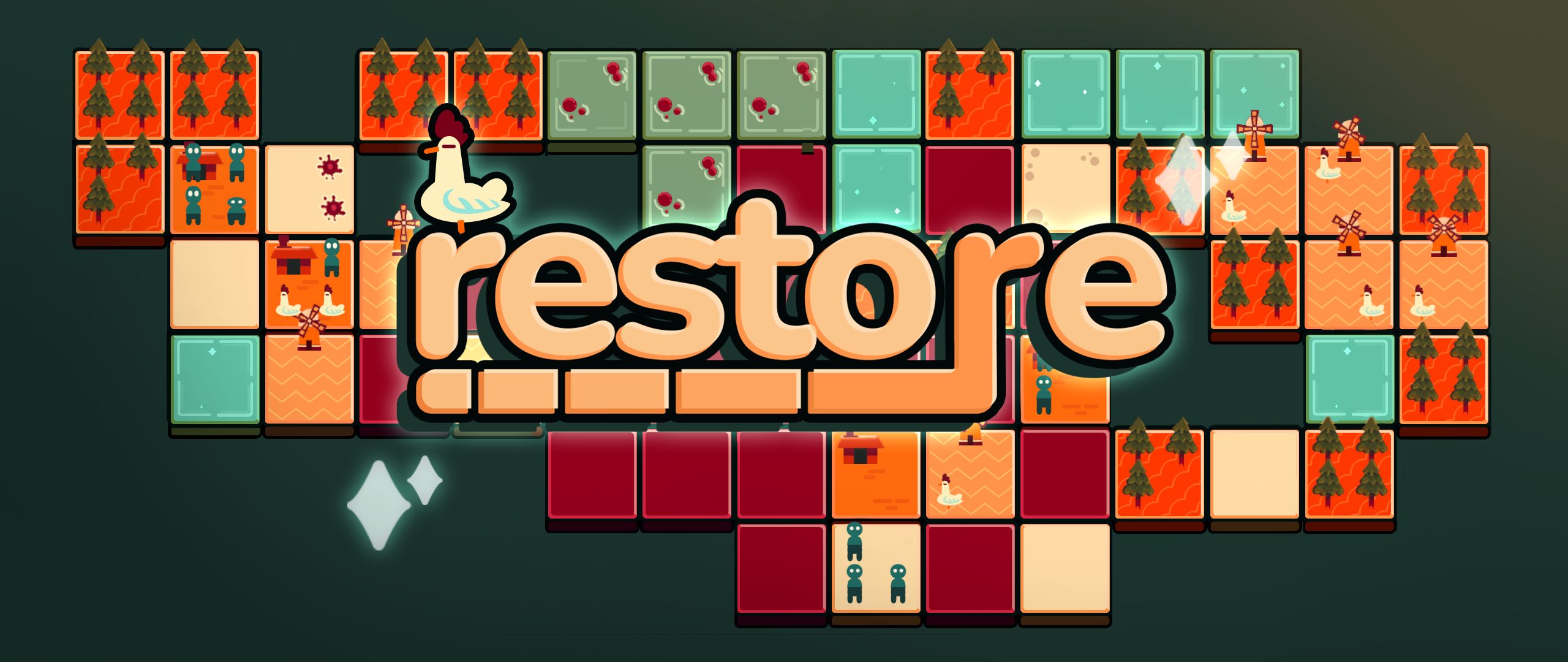
Scientists at the University of Stirling have developed a video game which will broaden understanding of the benefits of environmental restoration and the risks of pandemics.
Players can assume the role of an agriculturalist or an arborist (a specialist in the care and maintenance of trees) and cultivate land according to their priorities.
As leaves continue to fall and autumn fully settles in, what better occasion to get cosy inside with a hot drink and read our very first edition? 🌍
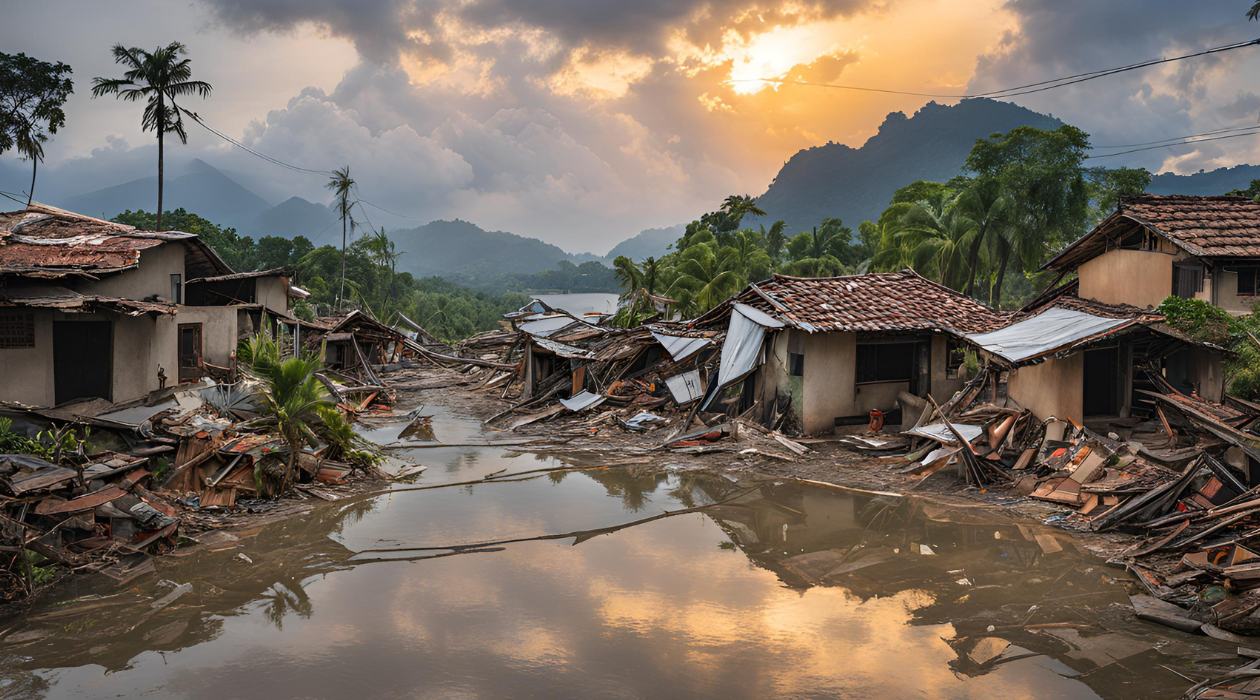
Last Sunday, 13th of October, we celebrated the International Day for Disaster Risk Reduction, a commemoration dedicated to encouraging action towards creating more disaster-resilient communities. At RESTOREID, our goal is to explore the connections between nature restoration, biodiversity, and disease prevention. But what relevance does this have to disaster risk reduction?
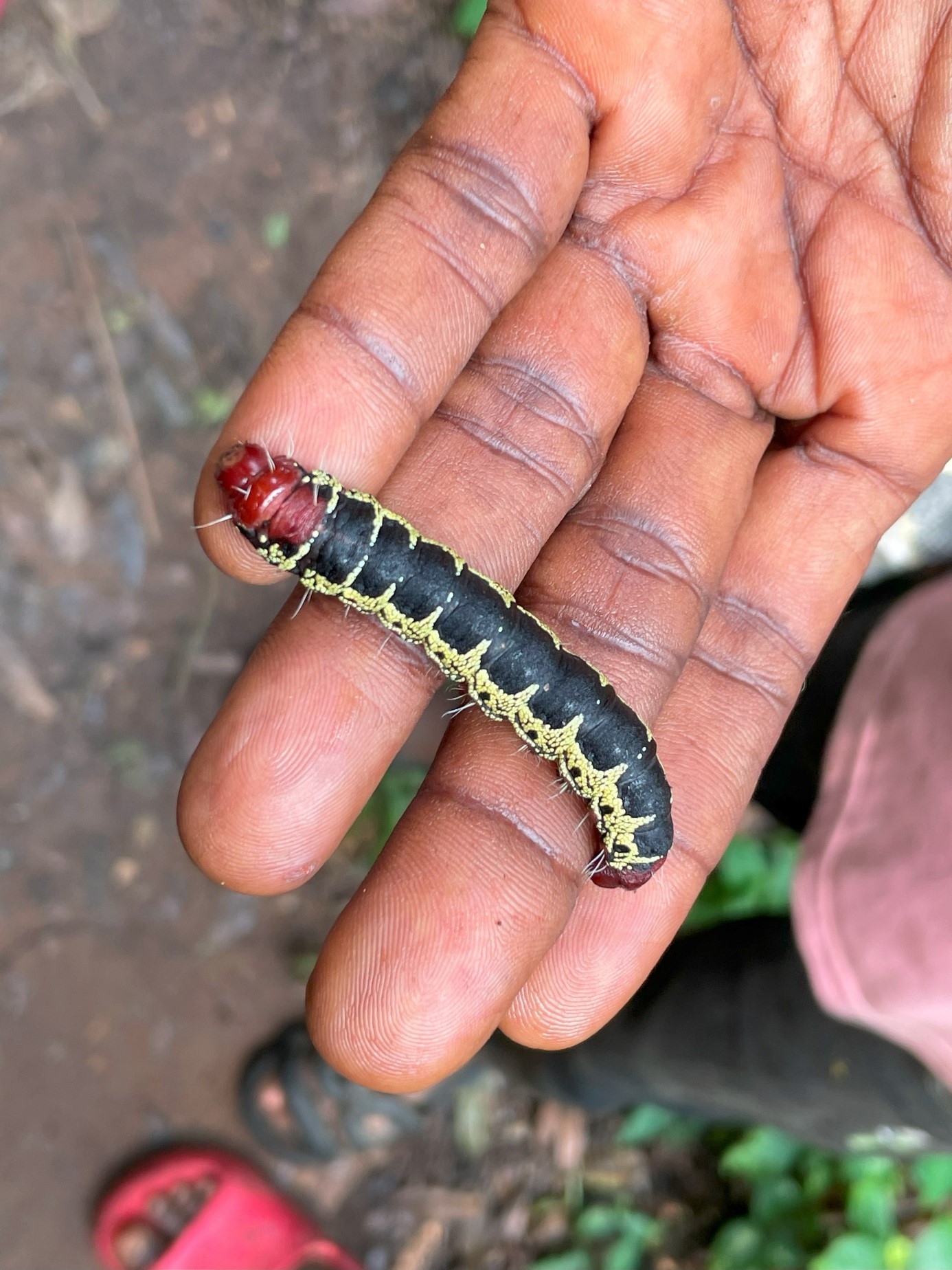
A journey to Yangambi takes you deep into the heart of the Congo, where a mosaic of history and nature unfolds. This is no ordinary visit—researchers from the Kisangani Center for Biodiversity Conservation, Médecins du Monde Belgium, and the Institute of Research for Development recently embarked on a mission to engage with the local community and set the stage for research under the RESTOREID project.
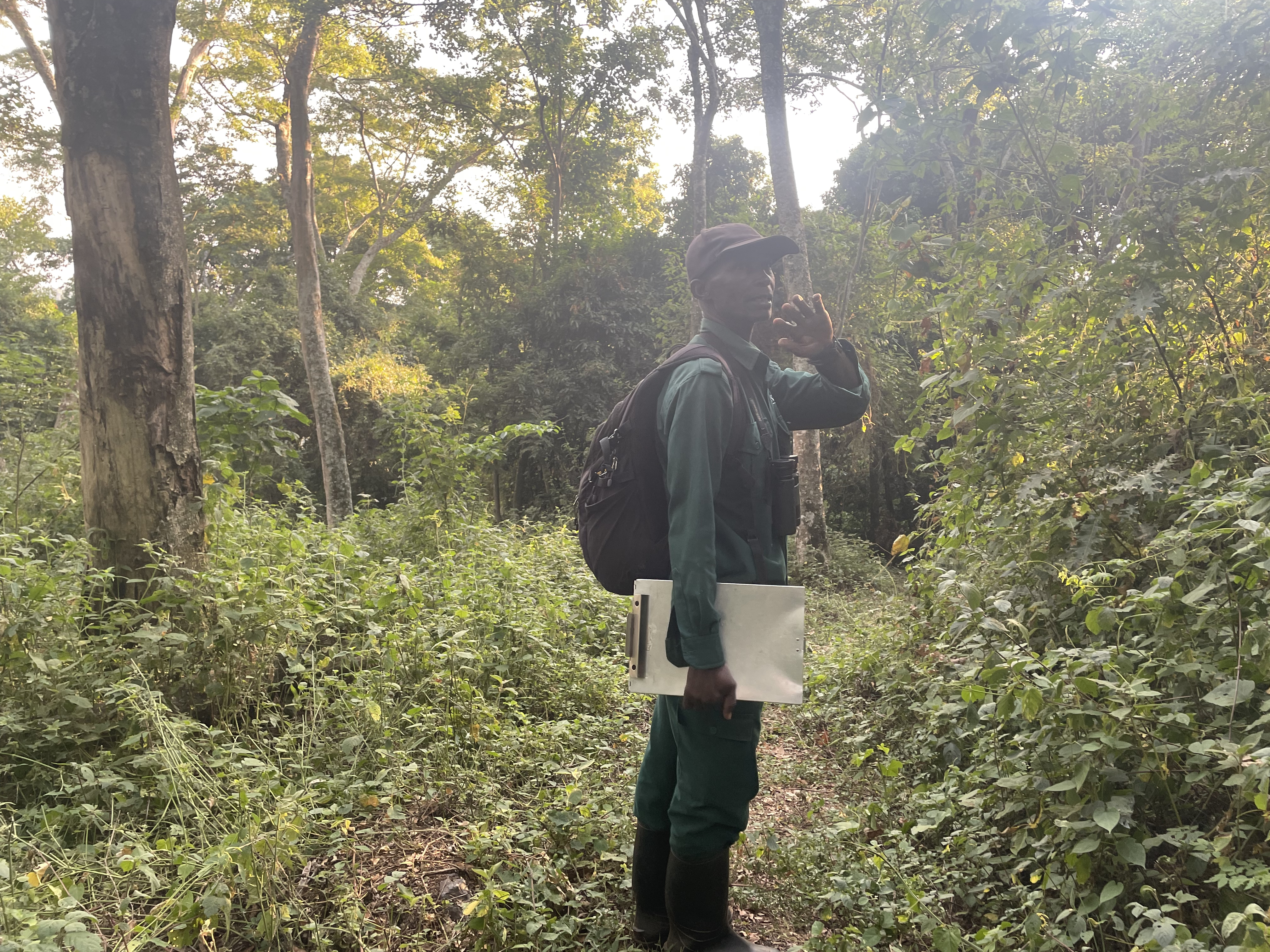
By Olivia Dimov and Jan Gogarten (Helmholtz Institute for One Health).
In June, Olivia Dimov (Helmholtz Institute for One Health), the PhD student who will be heading RESTOREID’s data collection efforts in Uganda, joined Jan Gogarten (Helmholtz Institute for One Health), Colin Chapman (Vancouver Island University), and Patrick Omeja (Makerere University) in Uganda. We set out to kick-start RESTOREID’s efforts and had the privilege of drawing on a lot of expertise and experience on restoration in Uganda. Colin has been working in Kibale National Park for more than three decades, and Jan and Patrick are his former PhD students who now have a combined three decades of experience working in and around the park as well.
Press release – Antwerp – 12 March 2024