
Testing the Dilution Effect in Finland: How habitat complexity shapes rodent interactions and Puumala virus transmission
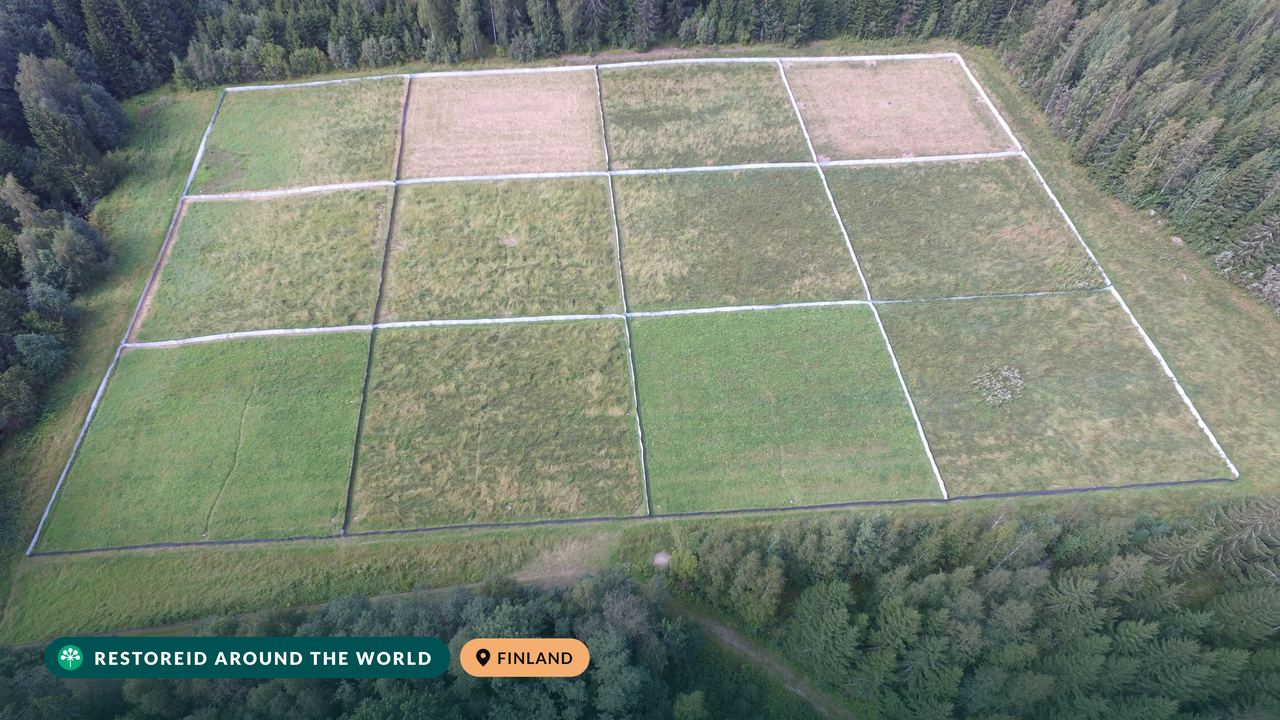
In southern Finland, RESTOREID researchers use outdoor enclosures to test whether more complex habitats slow the spread of Puumala virus among bank voles.
By Riana Ramanantsalama, Postdoctoral Researcher, Rodent and Disease Ecology group, University of Helsinki
Finland is home to rich vertebrate biodiversity, including amphibians, birds, and a wide range of mammals. While iconic large species such as the European brown bear, moose, and reindeer often capture attention, smaller mammals such as beavers and voles play a crucial role in disease ecology: their behaviour and interactions strongly influence how zoonotic diseases (diseases that pass from animals to humans) emerge and spread.
This is precisely the focus of the RESTOREID project in Finland: understanding how habitat complexity affects contact patterns among rodents and, ultimately, the transmission of pathogens.
What is the dilution effect?
The Finnish component of RESTOREID, led by Prof. Frauke Ecke (University of Helsinki), is conducted in Lammi, southern Finland. The project explores a key ecological hypothesis known as the dilution effect, which suggests that higher biodiversity and more complex habitats can reduce disease transmission. This can happen because:
- hosts (the animals that carry a pathogen) encounter each other less frequently,
- predators and competitors alter host behaviour and abundance,
- and diverse environments provide better access to shelter and resources, supporting recovery.
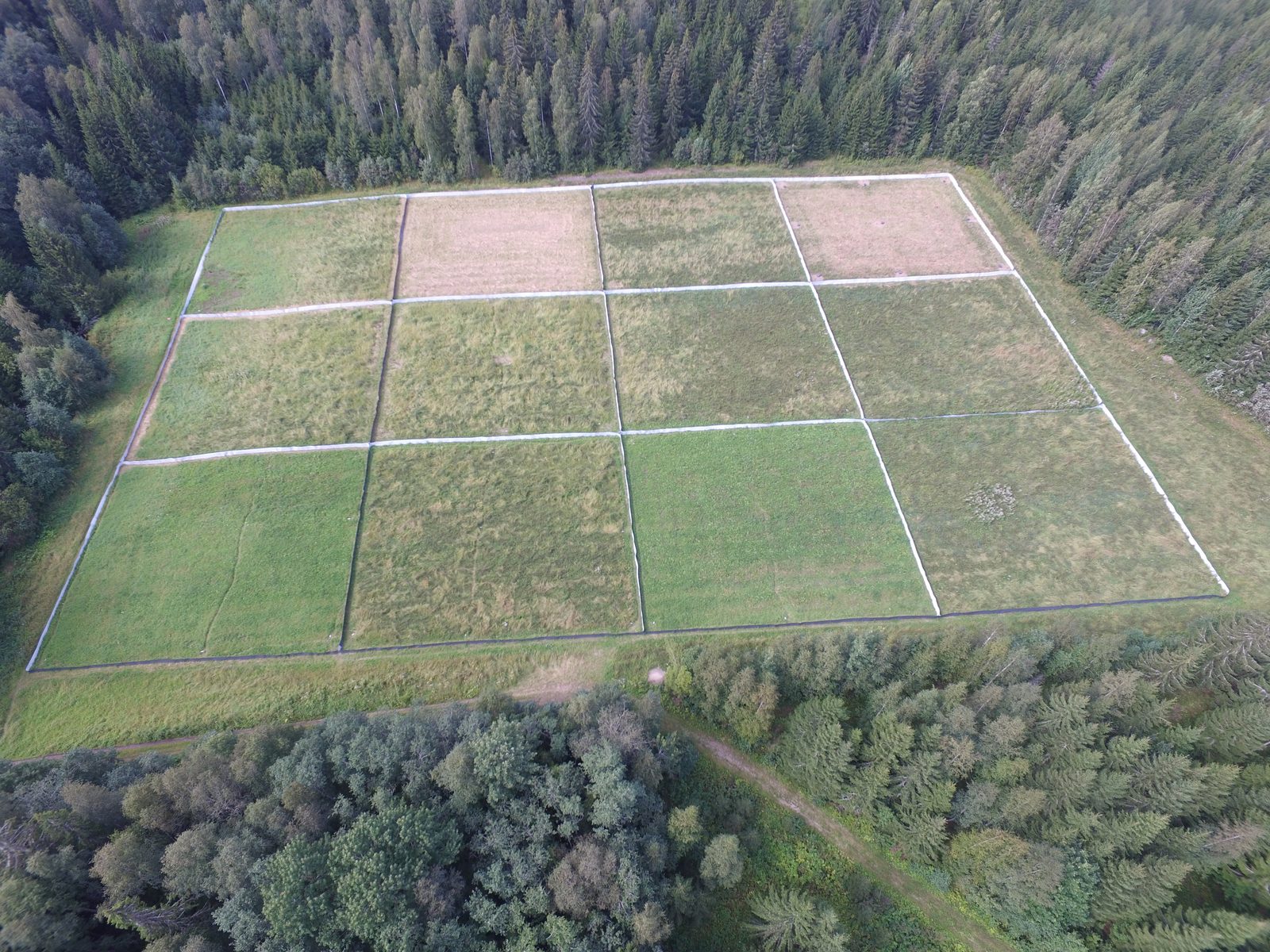
Photo 1: Aerial view of 12 of the 16 outdoor enclosures in Lammi, southern Finland - © John Loehr/ University of Helsinki
A unique semi-natural experiment
To test this hypothesis, we have used 16 outdoor enclosures (35 × 40 m each, roughly the size of five tennis courts).
These enclosures simulate two contrasting habitat types:
- High-complexity habitats: vegetation is left to grow naturally
- Low-complexity habitats: vegetation is regularly mowed when it exceeds 100 cm
The study focuses on the bank vole (Clethrionomys glareolus), the only known reservoir of the Puumala virus (Orthohantavirus puumalaense), a hantavirus responsible for nephropathia epidemica in humans, an illness that typically begins with flu-like symptoms and can affect the kidneys.
In addition to habitat complexity, the experiment also investigates how population density interacts with it to influence disease spread. The enclosures therefore also differ in bank vole density:
- Low density: 4 bank voles per enclosure
- High density: 10 bank voles per enclosure
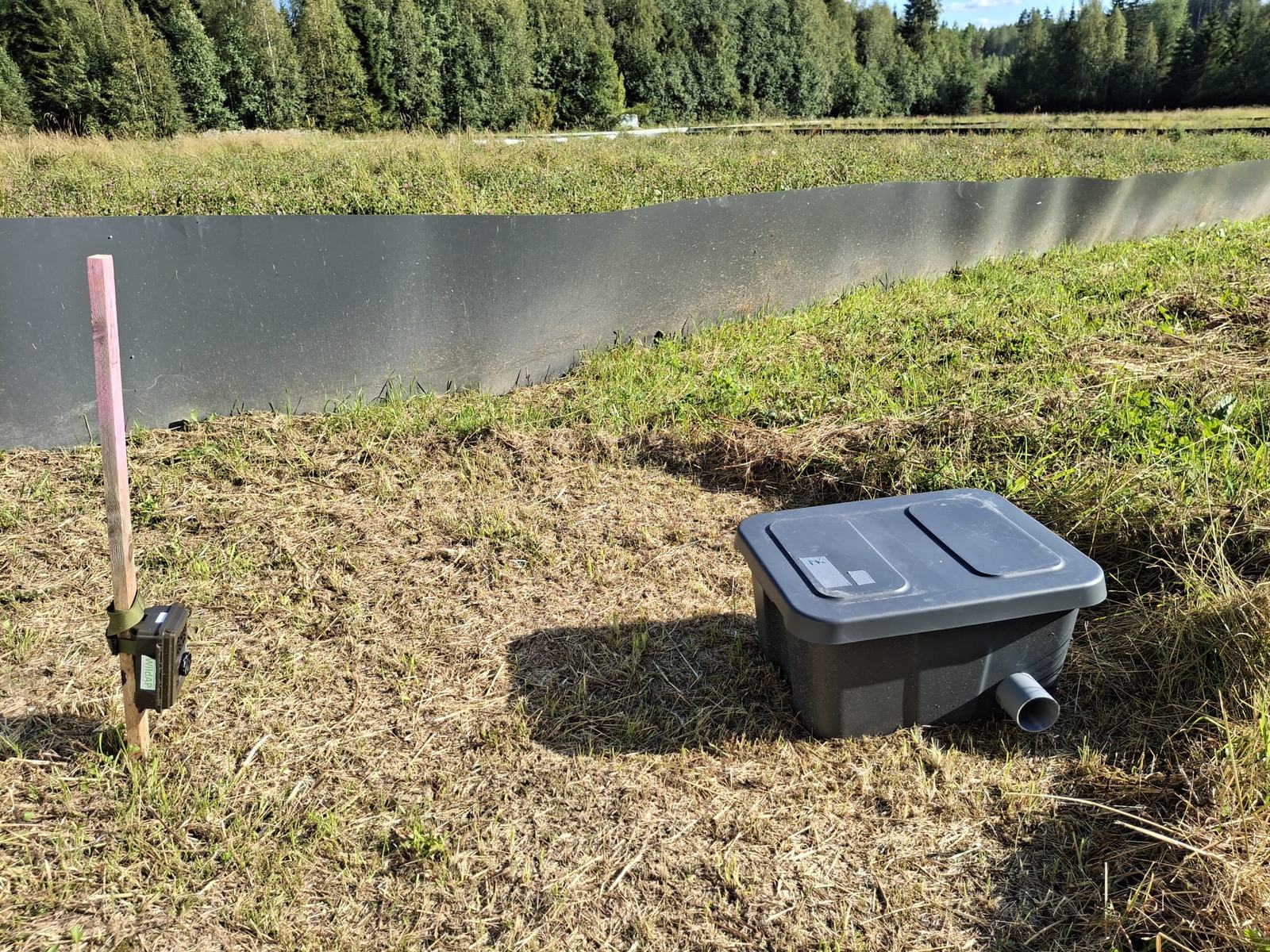
Photo 2: Camera trap (left) and RFID tracking box (right) at the edge of an enclosure – © Riana Ramanantsalama/University of Helsinki
Why does Puumala virus matter?
Finland has one of the highest rates of hantavirus disease in the world, with roughly 1,000–3,300 human Puumala virus infections diagnosed every year. Infections in both voles and people follow a seasonal rhythm:
- Late summer: infection peaks in bank voles, especially when juveniles lose the protection of their maternal antibodies.
- Autumn: human infections increase, as bank voles move closer to human dwellings seeking shelter from the cold weather.
Importantly, human-to-human transmission of Puumala virus has never been documented; human infection occurs through environmental exposure, mainly by breathing in dust contaminated with the urine, droppings or saliva of infected voles.
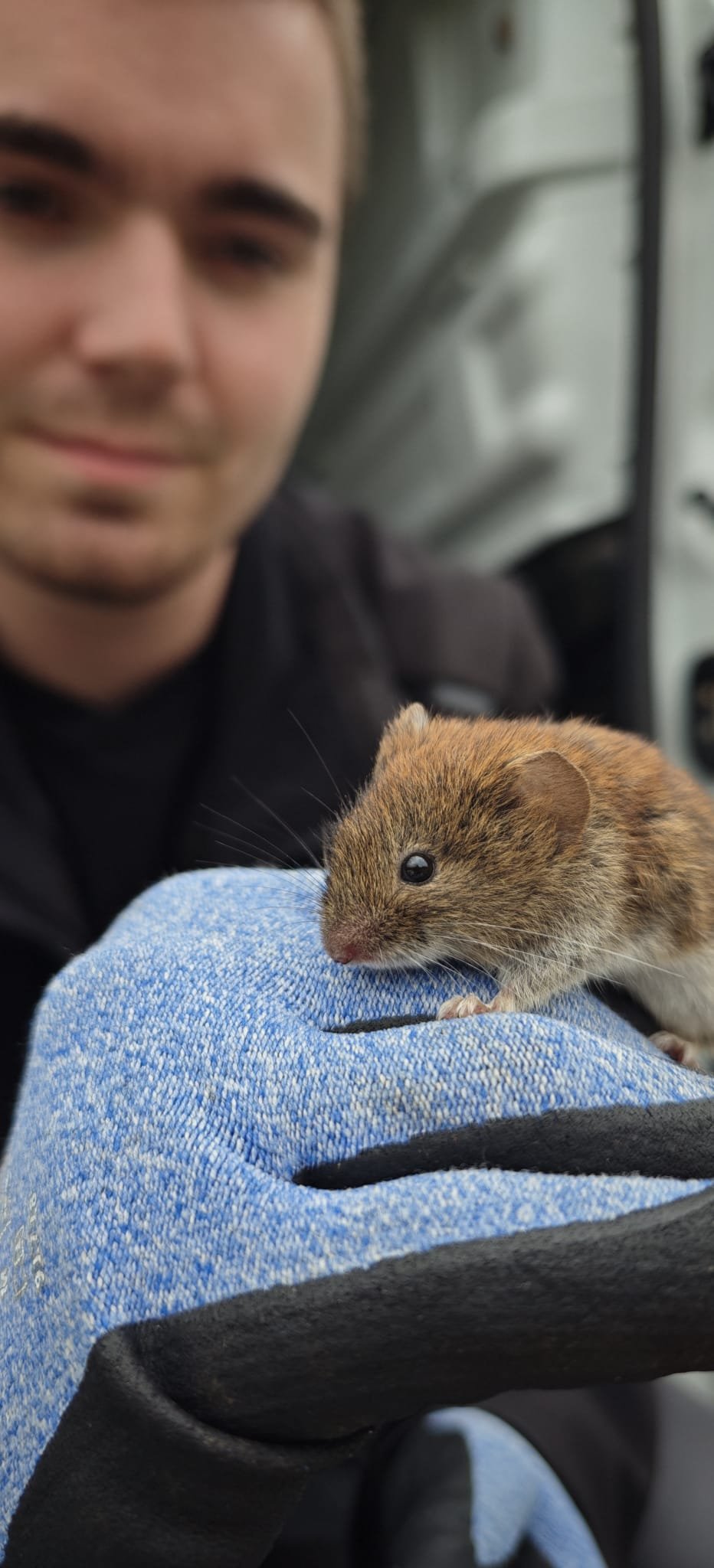
Photo 3: Bank vole during handling procedures - © Ívar Matthijsse/ University of Helsinki
Tracking bank vole behaviour and Puumala virus transmission
We evaluate the contact rates between bank voles using capture-mark-recapture methods with Ugglan traps (live traps, so animals can be released after sampling). Movement patterns are recorded with RFID (radio-frequency identification) tracking systems, a method also used by our colleagues tracking woodland rodents in Scotland.
When animals are captured, oral, faecal and blood samples are collected to evaluate how the transmission dynamics of the pathogen evolve between individuals. The study also considers individual variation, including sex, age, reproductive status and physical condition.
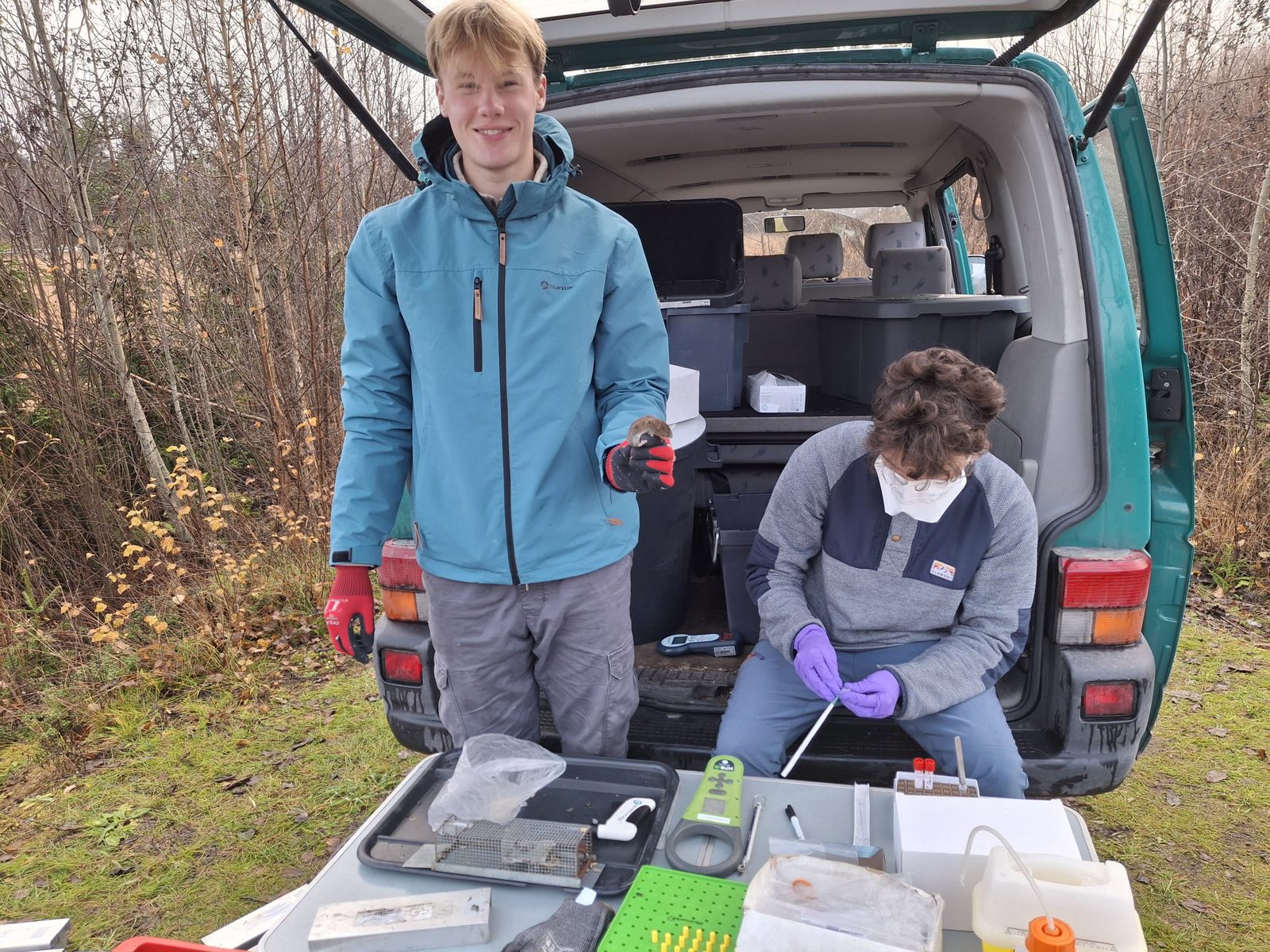
Photo 4: Illustration of the “mobile lab” - © Riana Ramanantsalama/ University of Helsinki
Why this research matters
This study will help explain how host behaviour is shaped by the ecosystem and how these interactions influence the spread of infectious diseases among hosts. Such insights are important from an epidemiological perspective, as they provide guidance on how emerging diseases can be better controlled and highlight the crucial role of habitat in predicting transmission dynamics.
Because ecosystem restoration often makes habitats more complex, the results will also help RESTOREID understand when restoring nature can lower the risk of zoonotic disease, and when it may not.
This post is part of our RESTOREID Around the World series, which takes you to our field sites across Europe and Africa. Catch up on earlier stops in Scotland, Côte d’Ivoire, Flanders, Sweden and Tanzania, and follow RESTOREID on LinkedIn and Bluesky for more stories from the field.
Funded by the European Union. Views and opinions expressed are however those of the author(s) only and do not necessarily reflect those of the European Union or the European Research Executive Agency (REA). Neither the European Union nor the granting authority can be held responsible for them.