
Meeting the Communities of Yangambi, DR Congo: Understanding the Links Between Forests, Livelihoods and Health
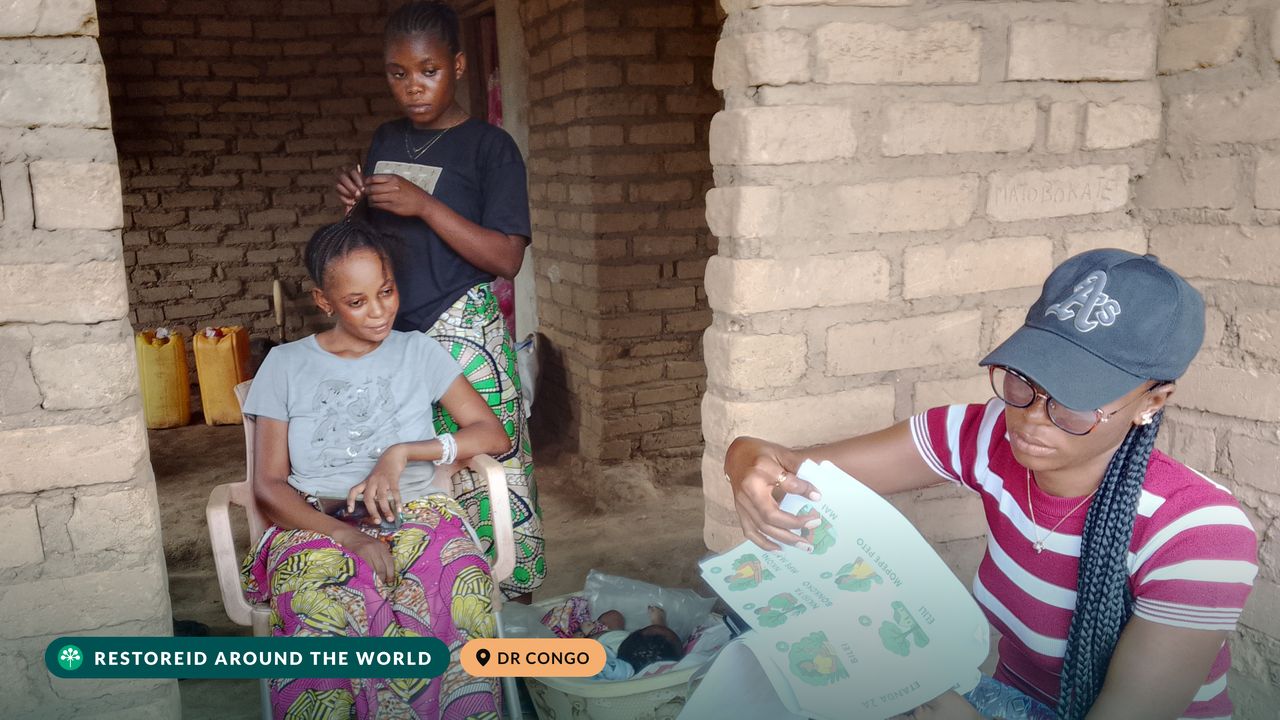
In August and September 2026, a Médecins du Monde team asked households in five communities around Yangambi, DR Congo, about their forests, wildlife and health.
By Dr. Bertin Kasongo, Medical Referent, Médecins du Monde Belgium – DR Congo
Location: Yangambi, Democratic Republic of Congo, specifically Yaselia, Lumumba, Bangala, Lusambila and Likango.
Activities: Household surveys conducted by field enumerators and semi-structured individual interviews conducted by Dr. Bertin Kasongo, the study investigator.
Dates: August and September 2026.
As part of the RESTOREID research project, Médecins du Monde Belgium and NOVA University Lisbon carried out field data collection in Yangambi, in the Democratic Republic of Congo. The research aims to better understand the socio-economic factors and human behaviours related to forests, forest restoration and human health. It builds on the preparatory visit to Yangambi described on this blog in 2024, and complements the ecological fieldwork carried out by our University of Antwerp colleagues in the Yangambi Biosphere Reserve.
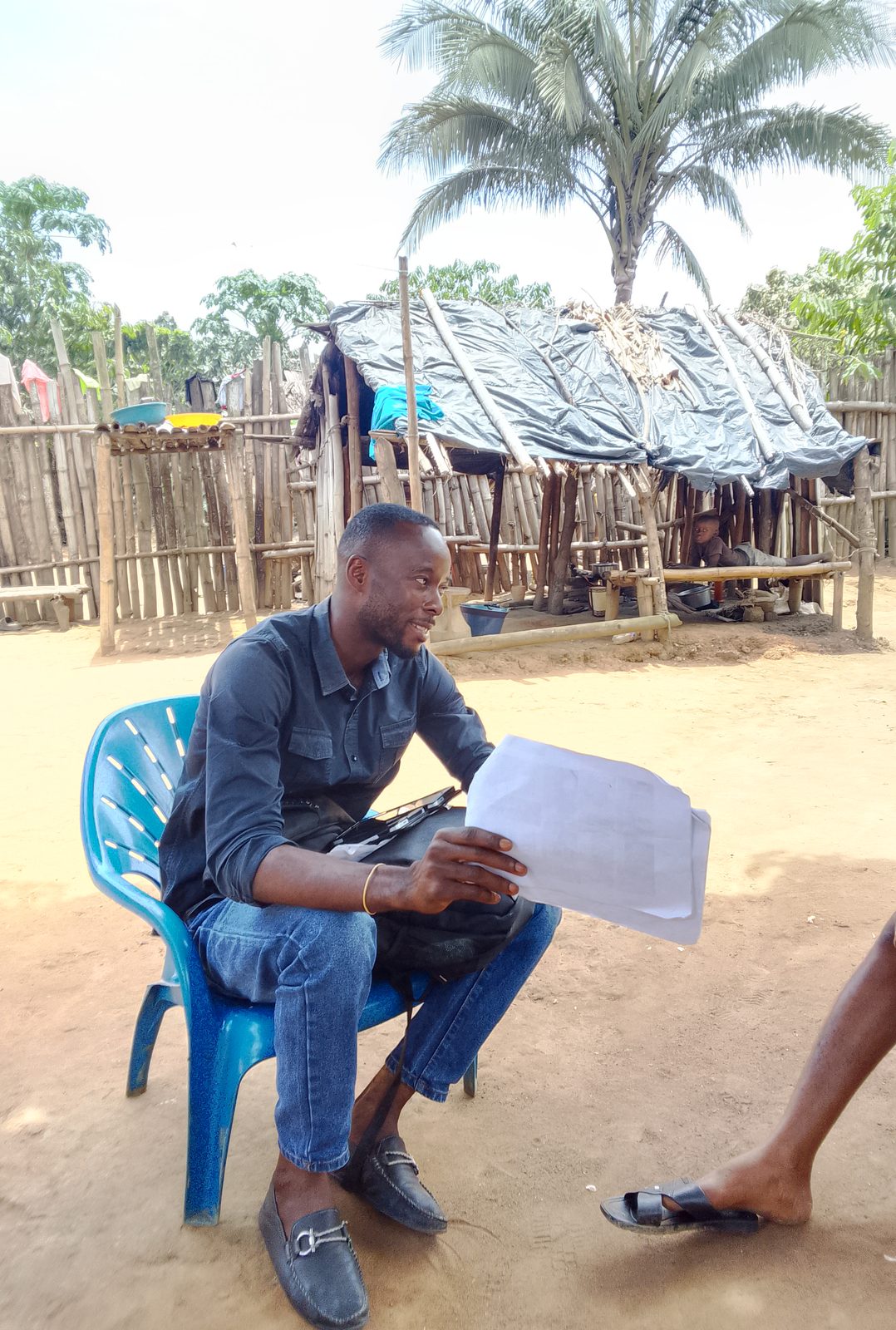
Photo 1: A member of the field team during a household survey in Yangambi – Photo by Dr. Bertin
Where and how was the data collected?
Data collection took place in several communities in Yangambi, specifically Yaselia, Lumumba, Bangala, Lusambila and Likango. It combined household surveys conducted by field enumerators (field team members who go through the questionnaire with each household) with semi-structured individual interviews (guided conversations based on open questions) carried out by Dr. Bertin, the study investigator. The photographs taken during this period document different stages of the fieldwork, including household survey activities and discussions with community members.
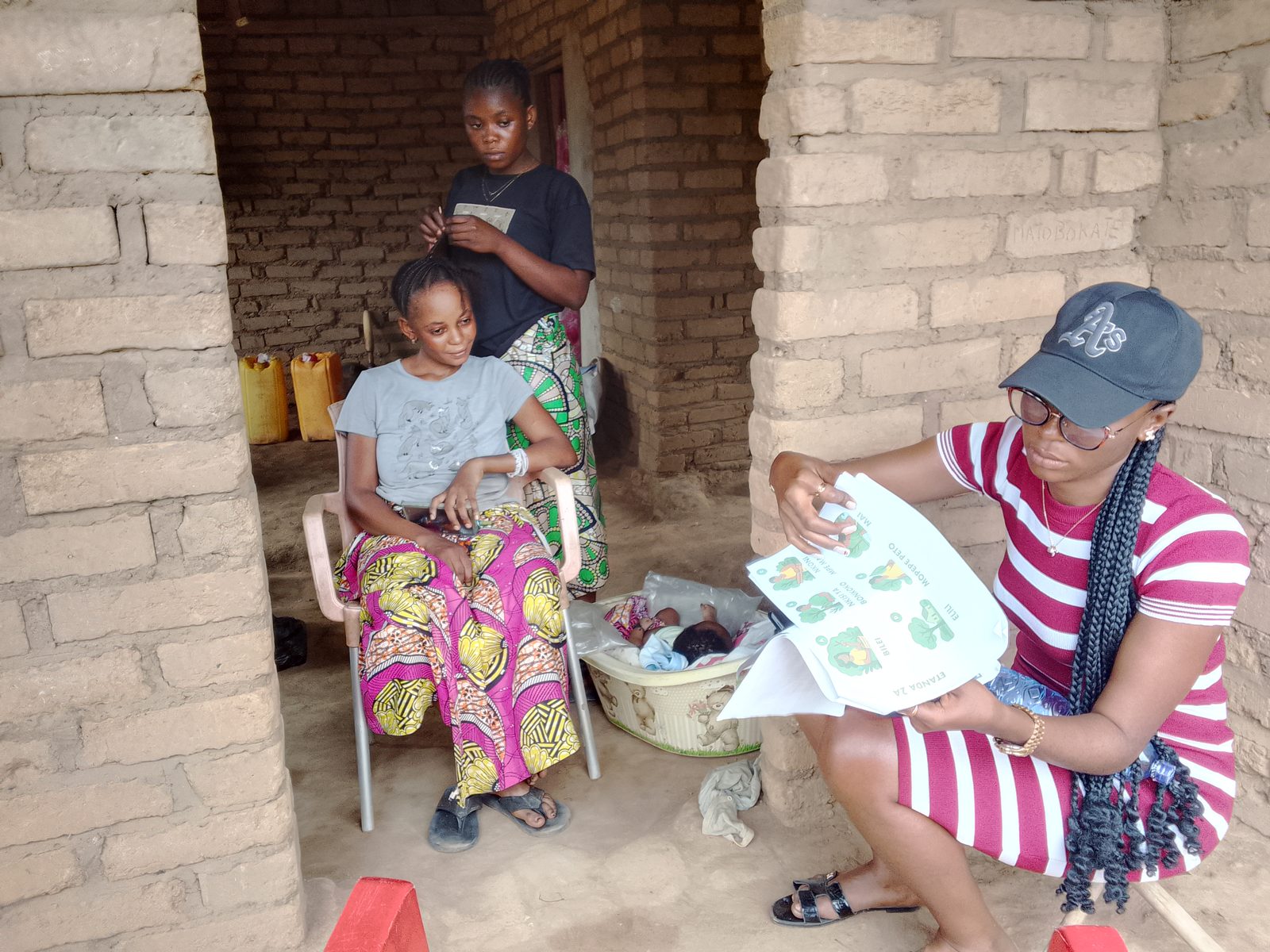
Photo 2: Illustrated cards used during a household survey – Photo by Dr. Bertin
What role do forests play in daily life?
The aim of this work is to better understand how communities live from day to day and interact with their forest environment. Forests play an important role in the livelihoods of many populations. They provide food, medicinal plants and other natural resources, while also serving as pathways between communities and habitats for wildlife. However, relationships between people and forests change over time, influenced by environmental changes, local practices and socio-economic conditions.
Attention is given to community members’ perceptions of restored and unrestored forests. Discussions explore observed changes in access to forest resources, how these areas are used, the benefits they provide to different groups within the population, and any changes in the presence of wild animals. The research also seeks to better understand practices related to hunting, the consumption and sale of bushmeat, and the relationships between human activities, wildlife and water resources.
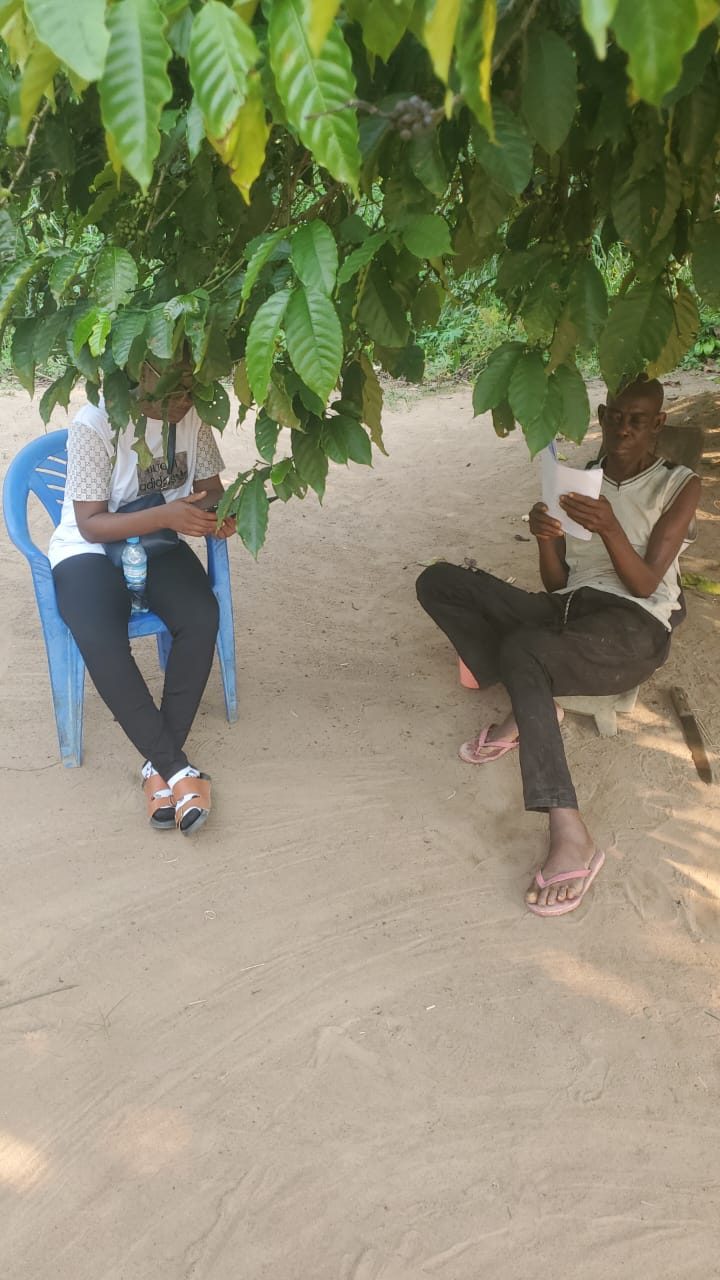
Photo 3: Many interviews took place outdoors, in the shade of a tree – Photo by Dr. Bertin
How does health fit in?
Health is another important dimension of this research. The interviews explore community members’ knowledge and perceptions of diseases that may be associated with wildlife, animal bites, meat consumption or contact between people and their environment. Participants are also invited to share their experiences and observations of changes over the years, as well as the practices they adopt to protect their health. This approach helps examine the interactions between the environment, biodiversity, livelihoods and human health from an integrated perspective. Understanding these perceptions matters because many emerging infectious diseases are zoonotic, meaning they can pass from animals to people.
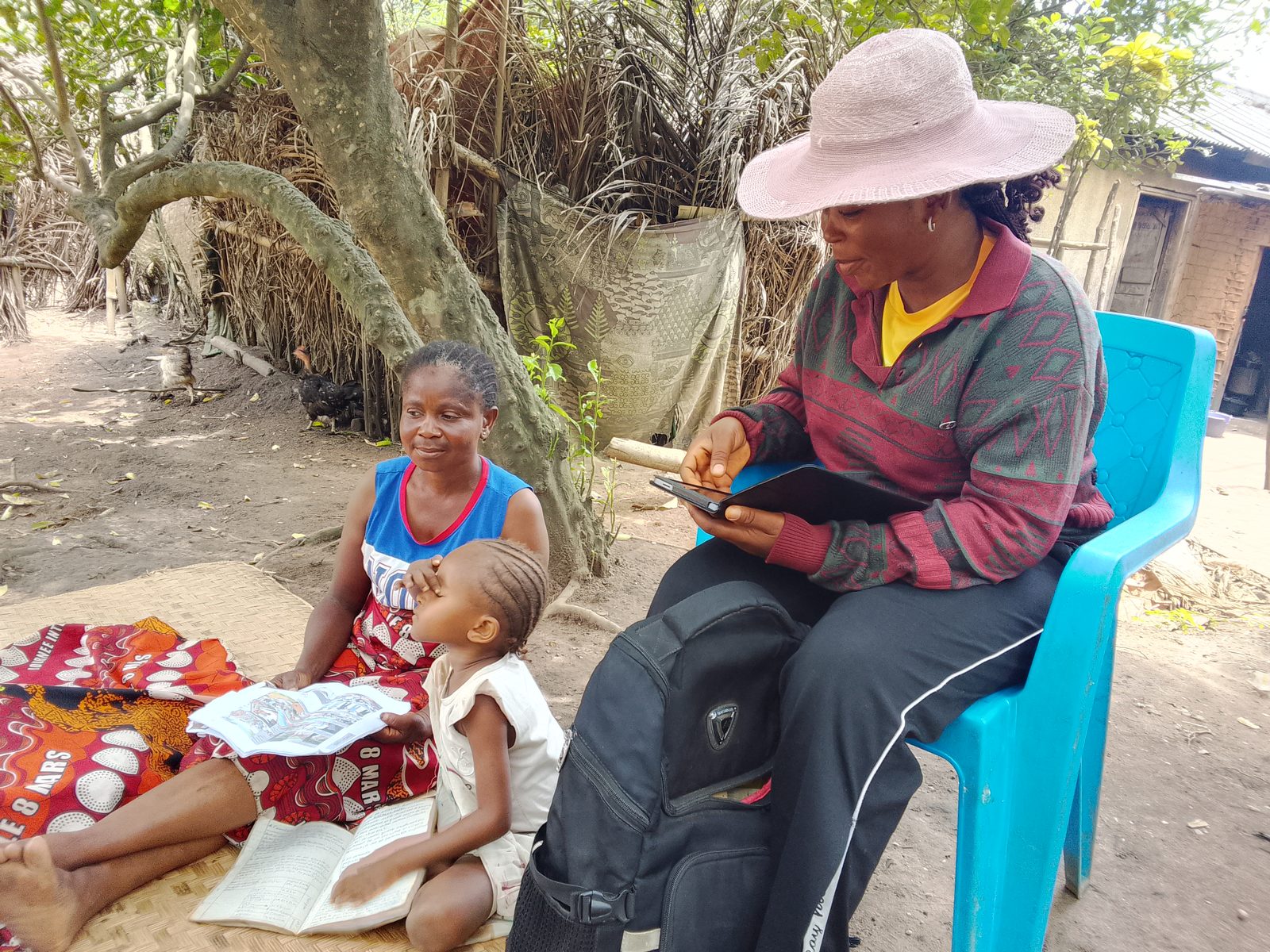
Photo 4: Answers are recorded on a tablet during a household survey – Photo by Dr. Bertin
Why listen to communities?
Beyond the data collected, the fieldwork is grounded in listening to communities and recognising their knowledge and experiences. Household surveys and interviews provide an opportunity to gather different perspectives, understand local practices in context and gain a deeper understanding of the diverse relationships between people and their environment. Community participation is therefore essential to developing an understanding that reflects local realities.
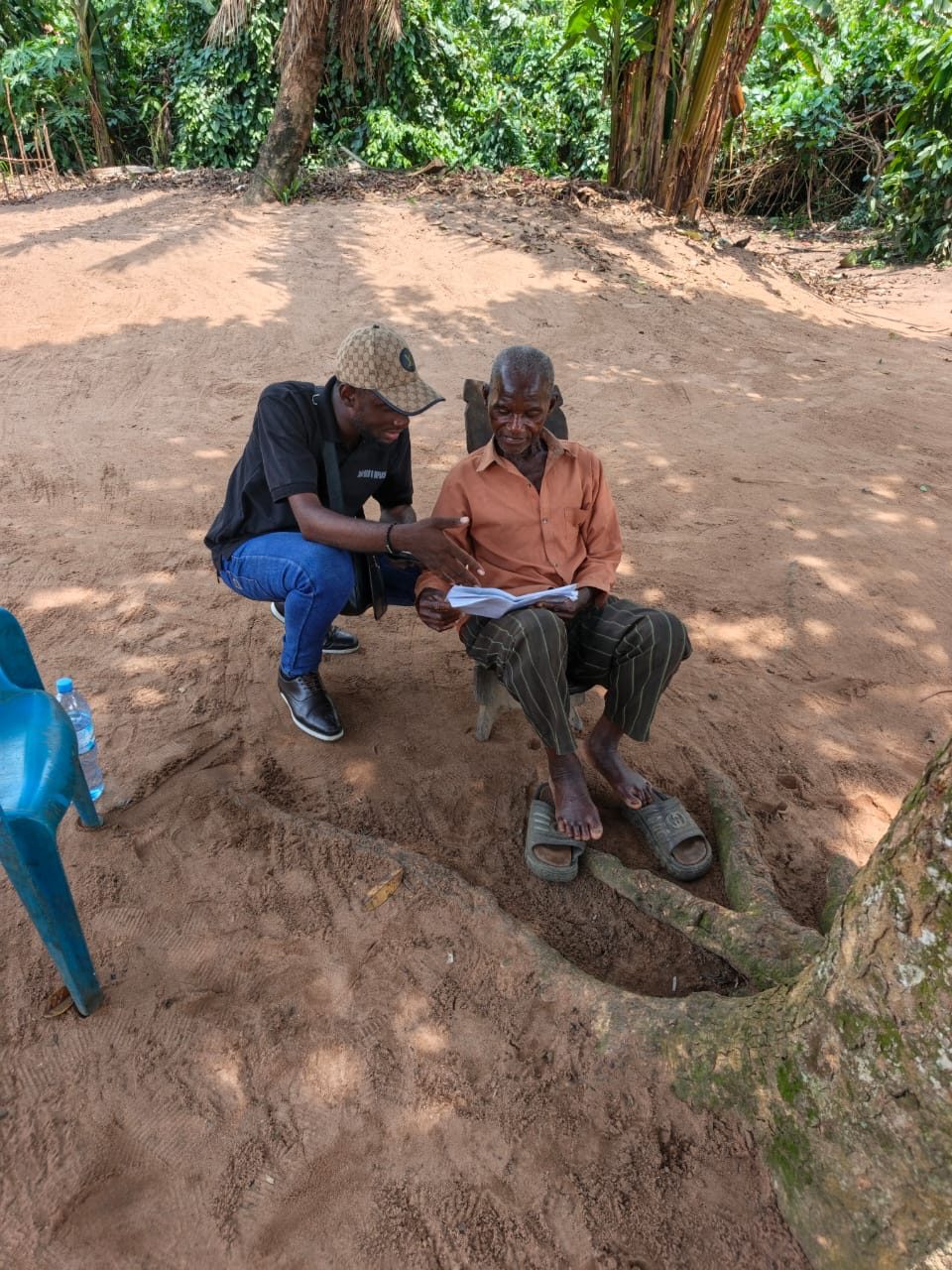
Photo 5: Going through the interview documents with a participant – Photo by Dr. Bertin
What happens next?
The information collected will contribute to a better understanding of the socio-economic and behavioural implications of forest restoration, as well as the links between environmental changes and health. It may inform scientific analyses and discussions on restoration approaches that consider both ecosystems and the well-being of local populations.
This fieldwork in Yangambi shows the importance of field-based research in documenting communities’ lived experiences and understanding the complex interactions between people, animals and forests. By placing local knowledge and experiences at the centre of its approach, the RESTOREID project seeks to contribute to a broader understanding of the challenges and opportunities associated with ecosystem restoration and health.
This post is part of our RESTOREID Around the World series, which takes you to our field sites across Europe and Africa. Catch up on earlier stops in Finland, Tanzania, Sweden, Flanders and Côte d’Ivoire, and follow RESTOREID on LinkedIn and Bluesky for more stories from the field.
Photos by Dr. Bertin and Jean Ngabu, Médecins du Monde Belgium.
Funded by the European Union. Views and opinions expressed are however those of the author(s) only and do not necessarily reflect those of the European Union or the European Research Executive Agency (REA). Neither the European Union nor the granting authority can be held responsible for them.